- 1 tablespoon finely ground mushroom powder or cooled infusion from simmered mushrooms
- 2 tablespoons baking soda
- 1 tablespoon white vinegar
- 3-5 drops natural dish soap or castile soap
- Soft-bristled brush or toothbrush
- Warm water
Step 1: Prepare the Paste
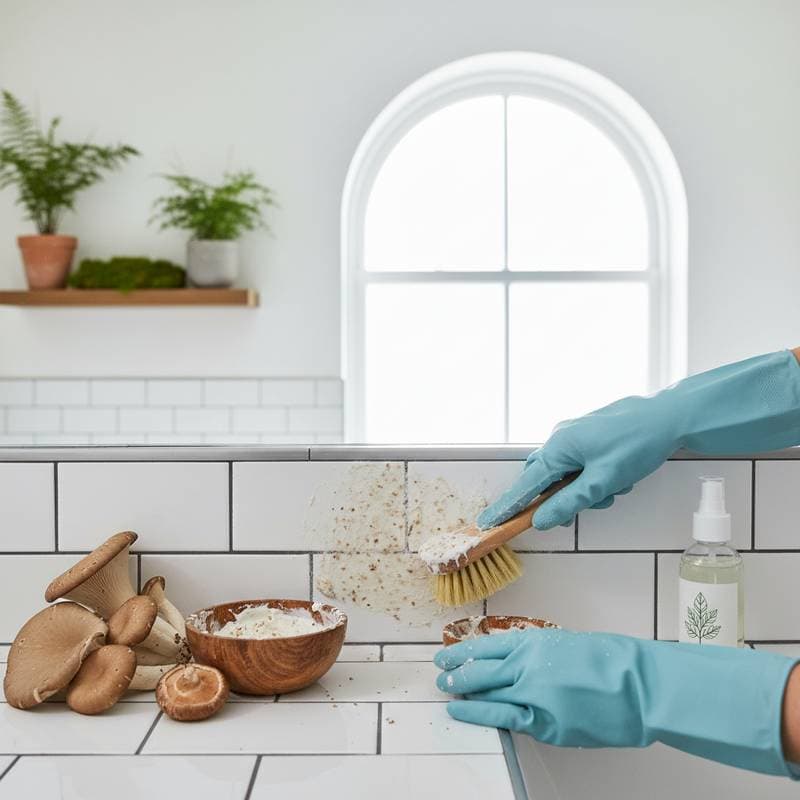
Combine mushroom powder and baking soda in a bowl. Gradually incorporate vinegar to create a foamy paste. The acid-base interaction activates enzymes and loosens surface discoloration. Stir in soap drops to emulsify oils.
Step 2: Apply and Allow Reaction
Apply the paste directly to grout lines with a spatula or finger. Permit it to sit for 10-15 minutes. Enzymes degrade the organic layer during this interval, simulating natural breakdown.
Step 3: Scrub and Cleanse
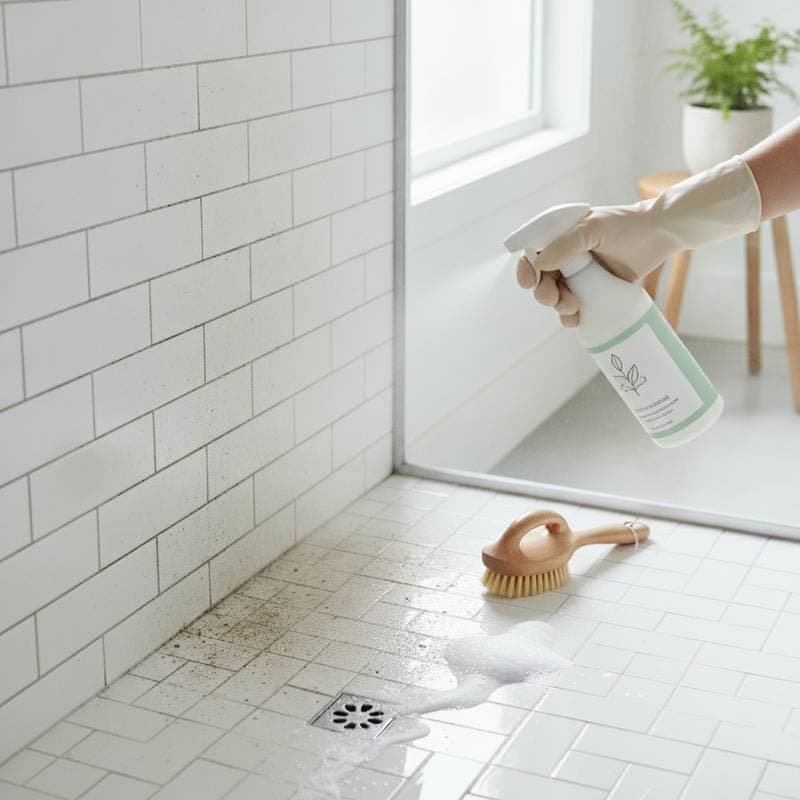
Scrub grout with circular motions using the brush. Baking soda offers mild abrasion that preserves tile integrity. Rinse with warm water and dry with a microfiber cloth for a residue-free finish.
Enzymatic Mechanisms at Work
Selecting Appropriate Mushroom Varieties
Oyster mushrooms provide robust enzymes and accessibility. Shiitake options deliver consistent results with minimal effort. Refrain from wild foraging unless identification expertise exists, due to toxicity risks.
Nutritional mushroom powders from reputable sources serve as convenient alternatives. Verify labels for purity, avoiding additives that dilute potency. These products integrate seamlessly into the paste formulation.
Environmental and Health Advantages
This method reduces reliance on chlorine or ammonia-based products, which pollute waterways. Mushroom cleaners produce minimal runoff and support zero-waste storage in glass containers. They promote a lighter ecological footprint.
Indoor benefits include improved air purity from absent volatile compounds. Individuals with sensitivities experience fewer irritations. The process infuses a subtle earthy aroma, elevating routine tasks.
Enhancing the Formula
Customize the base recipe for varied needs while maintaining natural integrity.
- Citrus Infusion: Incorporate 1 teaspoon grated lemon zest to boost degreasing and add brightness.
- Aromatic Additions: Include 2-3 drops tea tree oil for antimicrobial effects and refreshing scent.
- Whitening Boost: Replace half the vinegar with 3% hydrogen peroxide, testing inconspicuously first.
These adjustments allow personalization without compromising biodegradability.
Essential Techniques for Optimal Results
- Divide surfaces into manageable sections to ensure even application and rinsing.
- Employ non-metallic utensils, such as glass or wood, to avoid vinegar reactions.
- Apply a penetrating sealer post-cleaning to extend grout protection.
- Select brushes with soft nylon or plant fibers to prevent surface damage.
Adhering to these practices yields durable cleanliness.
Integrating Sustainable Cleaning Routines
Post-treatment, grout regains vibrancy, enhancing overall space aesthetics. This technique evolves from a trend into a habitual practice. It underscores nature's role in harmonious home care.
Each application reinforces environmental stewardship. Fungal efficiency mirrors woodland renewal, applied domestically. Embrace this method to sustain a refreshed, toxin-free environment.