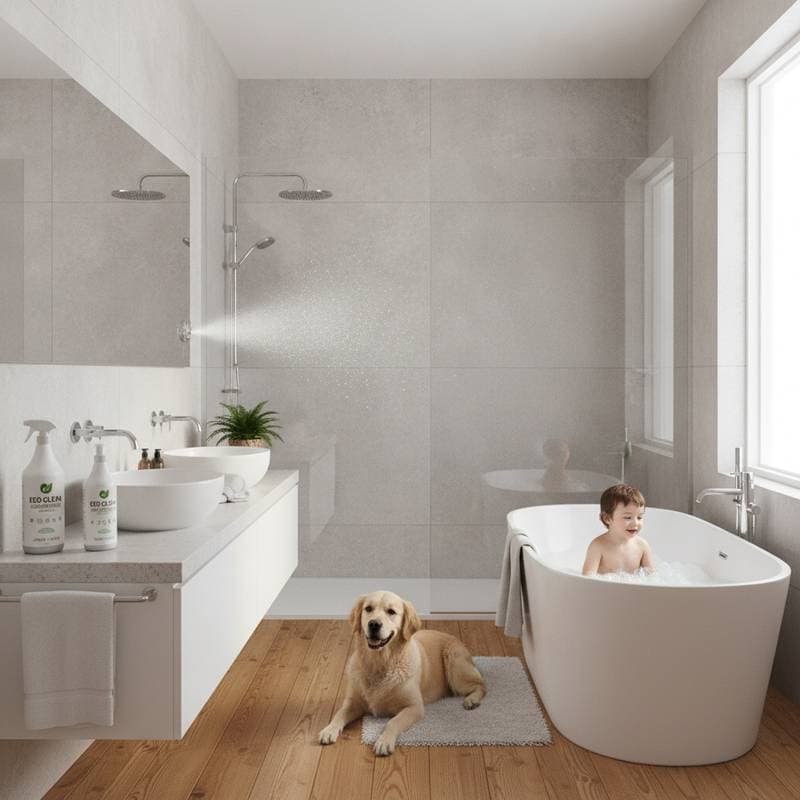
Key Benefits of Steam Cleaning
- Steam cleaning removes soap scum, grime, and bacteria solely through heated water vapor, eliminating the reliance on chemical-based products.
- Effective application prevents mold growth, restores grout appearance, and provides thorough sanitization for fixtures and floors.
- Choosing the appropriate steam cleaner and adhering to a structured process delivers efficient, secure, and environmentally responsible outcomes.
- Consistent steam cleaning minimizes contact with toxic substances and facilitates sustainable bathroom upkeep.
Understanding the Science Behind Steam Cleaning
Steam cleaning operates by transforming water into high-temperature vapor under pressure. Upon contact with surfaces, this vapor's heat dislodges dirt particles and destroys microorganisms. The elevated temperature degrades organic matter, while the pressure extracts deeply embedded grime from porous areas such as grout and textured tiles.
Initial Evaluation
Prior to commencing the cleaning process, assess the bathroom's configuration, surface compositions, and degree of accumulated residue. Pinpoint locations susceptible to mold, including grout seams, caulking edges, and areas concealed behind fixtures. Document any sensitive materials, like natural stone or painted wood elements, which demand reduced steam intensity or specialized protective accessories.
Inspect electrical outlets to safeguard them against moisture exposure. Verify the functionality of ventilation systems. If substantial grout fractures or sealant degradation exist, schedule repairs post-cleaning to avert water infiltration.
Collect details on the nature of deposits present. Soap scum responds best to deliberate, moderate-pressure passes, whereas mineral scale from hard water benefits from targeted, brief steam applications. Establishing these parameters upfront aids in developing a feasible timeline and methodical approach.
Preparation and Planning
Essential Tools and Equipment
- A steam cleaner equipped with variable pressure and temperature settings
- An extension hose paired with specialized nozzles for tight corners
- Nylon-bristled brushes designed for grout lines
- Microfiber cloths suitable for residue removal from surfaces
- A squeegee attachment for mirrors and glass elements
- Absorbent towels dedicated to floor drying
Required Materials
- Distilled water to minimize mineral accumulation within the device
- Optional white vinegar solution for pretreating severe calcium buildup
Safety Protocols
- Don protective gloves to shield hands from thermal exposure.
- Position electrical cords distant from potential water accumulation.
- Permit surfaces to cool adequately before direct handling post-steaming.
- Ensure adequate room ventilation to manage humidity levels throughout and following the procedure.
Time Management
Allocate several hours for a standard residential bathroom. Although thorough, steam cleaning proceeds more deliberately than conventional spray-and-wipe methods. Time the session to allow uninterrupted drying once the bathroom becomes unavailable for use.
Step-by-Step Execution
Step 1: Initial Setup
Clear the space of towels, rugs, and personal belongings. Vacuum or sweep the floor to clear loose particles. Remove superficial dust that might obstruct steam efficacy. Load the steam cleaner's reservoir with distilled water and preheat to operational levels.
Step 2: Targeting Tiles and Grout
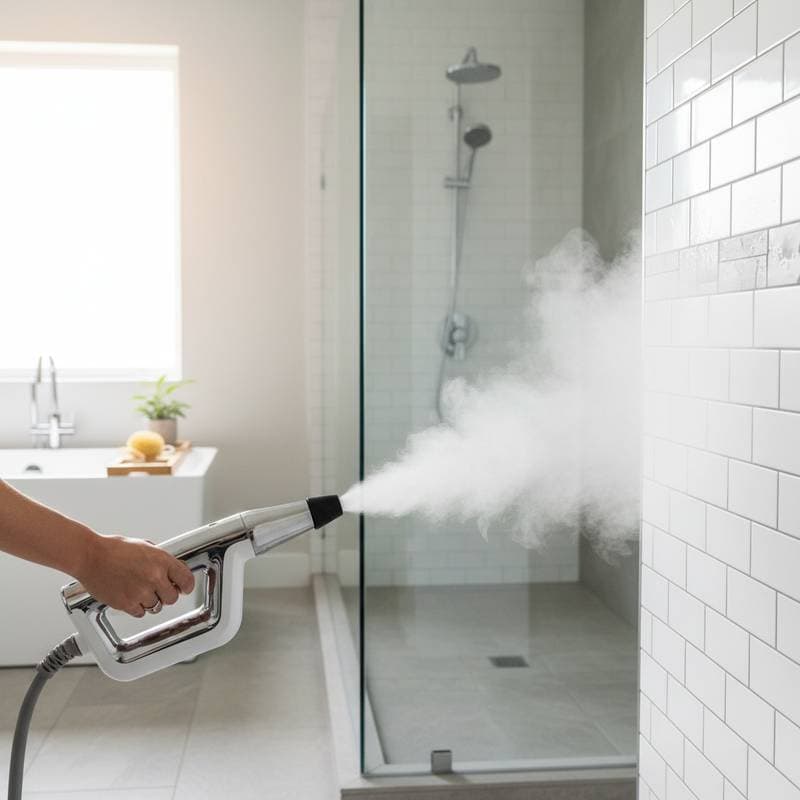
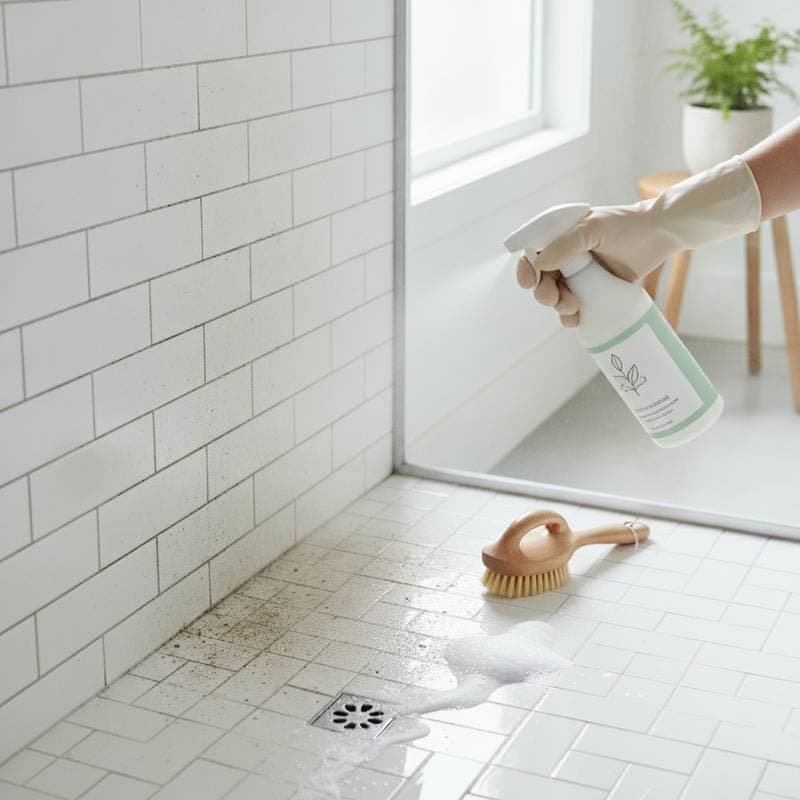
Begin at elevated areas, such as shower enclosures, and progress downward. Employ a fine nozzle for grout channels, advancing methodically to facilitate heat infusion. Trail each segment with a fresh microfiber cloth to collect dislodged particles. For stubborn accumulations, secure a nylon brush and apply gentle scrubbing concurrent with steam delivery.
Step 3: Fixture Sanitization
Direct a precision nozzle toward faucets, drains, and control handles. Steam effectively dissolves encrusted minerals and eradicates bacteria upon impact. Limit exposure duration on chrome finishes to avoid surface tarnishing. Buff promptly with a soft cloth to enhance luster.
Step 4: Glass and Mirror Treatment
Fit the device with a squeegee accessory and apply steam in vertical sweeps across the surface. Dry subsequently with a lint-free cloth to eliminate water marks. This approach clears residues from hard water minerals and organic oils without resorting to chemical solutions.
Step 5: Floor and Baseboard Finishing
Conclude with the flooring. Utilize a broad mop head and deliver steam in controlled pulses. Refrain from oversaturating grout intersections. Process in manageable zones, toweling each dry prior to advancement. Address baseboards using a compact nozzle to eradicate dust and fungal traces.
Step 6: Post-Cleaning Ventilation
Activate the exhaust system or open windows for air circulation. Permit complete drying of all surfaces before reintroducing fabrics and accessories. This step inhibits mold redevelopment and preserves the sanitized condition of treated areas.
Verification Checklist
Confirm success by inspecting these indicators:
- Grout exhibits enhanced brightness and consistent hue.
- Fixtures present a smooth, residue-free tactile quality.
- Glass elements display clarity without streaks or haze.
- Floors and trim remain free of moisture or pooled water.
- Ambient air carries a neutral, refreshed scent absent of artificial fragrances.
Persistent discoloration may indicate inherent staining rather than removable dirt. Consider professional grout recoloring or resealing as subsequent measures in such instances.
Ongoing Maintenance Strategies
Sustain a chemical-free bathroom through monthly steam sessions, emphasizing moisture-prone regions like shower surrounds and bathtubs. Perform routine surface wiping after daily use to curb mineral deposition.
Maintain the steam cleaner by rinsing its components with distilled water post-session. Store the unit in a dry location, ensuring hoses coil without tension to avoid material fatigue.
Should mildew reemerge, evaluate ventilation efficacy and ambient humidity. Integrating a dehumidifier or enhanced exhaust system complements steam cleaning, prolonging the bathroom's pristine state.
Advanced Techniques for Optimal Results
- Employ the minimal pressure level yielding observable cleaning effects, as excessive force may disperse debris or compromise caulking integrity.
- Integrate steaming intervals with immediate wiping to avoid residue redeposition across expansive areas.
- For shower enclosures, conclude with a distilled water rinse to mitigate spotting from minerals.
- Pair steam cleaning with intermittent grout sealing to bolster enduring surface defense.
- Maintain a logged record of cleaning intervals, akin to monitoring schedules for plumbing or heating systems.
Adopting steam over chemical alternatives elevates bathroom maintenance to a secure, eco-conscious practice. This method eradicates contaminants and pathogens while safeguarding material integrity, atmospheric purity, and occupant well-being.