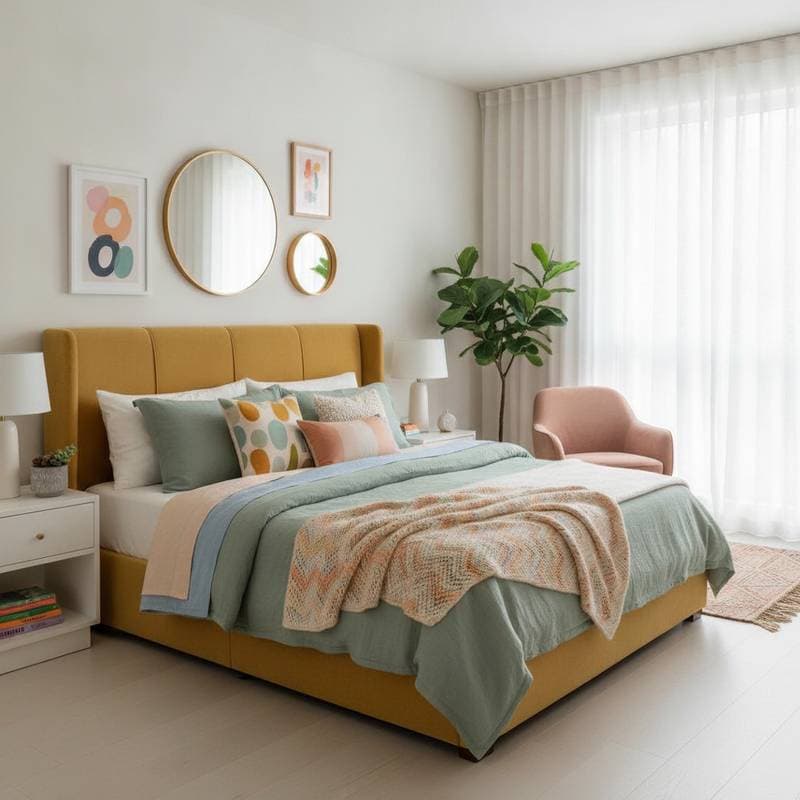
Sleep Divorce Fuels Demand for Dual Master Suites in 2026
Key Takeaways
- Sleep divorce offers couples a practical way to maintain intimacy while securing quality rest.
- Dual master suites provide flexible layouts that support individual comfort and shared connection.
- Developers and designers now incorporate equal primary bedrooms into new builds and renovations.
- Families gain better well-being and reduced morning tension through personalized spaces.
- Cultural practices from Europe, Asia, and North America guide modern adaptations of separate sleeping areas.
The decision to sleep in separate rooms often stems from simple physical realities rather than emotional distance. One partner may snore heavily while the other wakes easily. Both require consistent rest to sustain a strong relationship. This practical choice has prompted architects to reconsider the single master bedroom as the only option.
The Rise of Sleep Divorce
How Dual Master Suites Gained Appeal
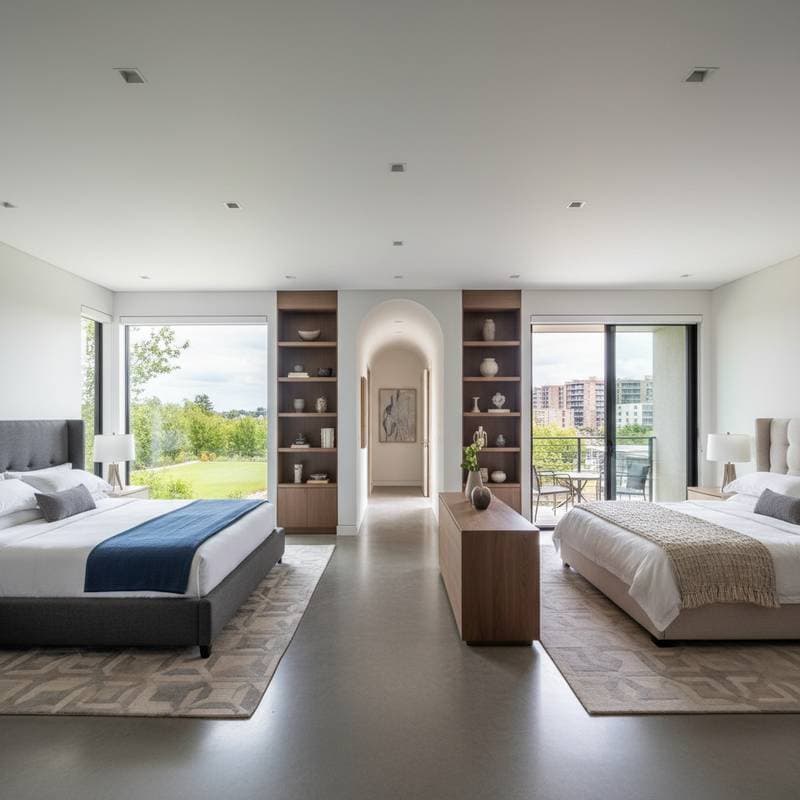
Older European homes frequently placed two bedrooms side by side with a connecting sitting area. Contemporary versions enlarge both rooms to equal status and add private bathrooms, custom closets, and small balconies. Real estate agent Victor Hayes reports that buyers view these suites as long-term assets that accommodate guests, aging relatives, or varying work schedules.
Family Benefits of Separate Sleeping Quarters
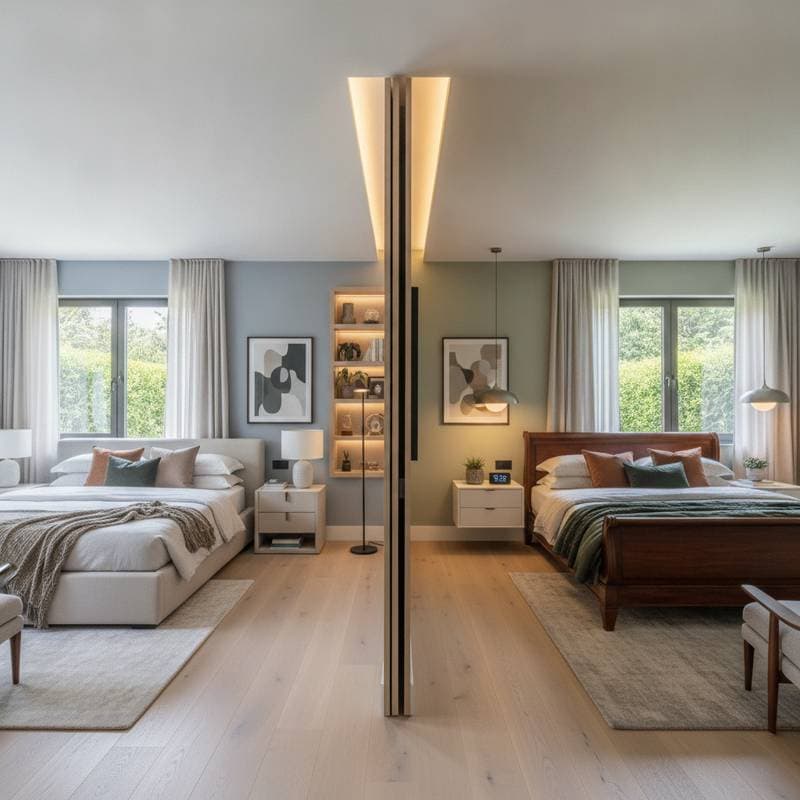
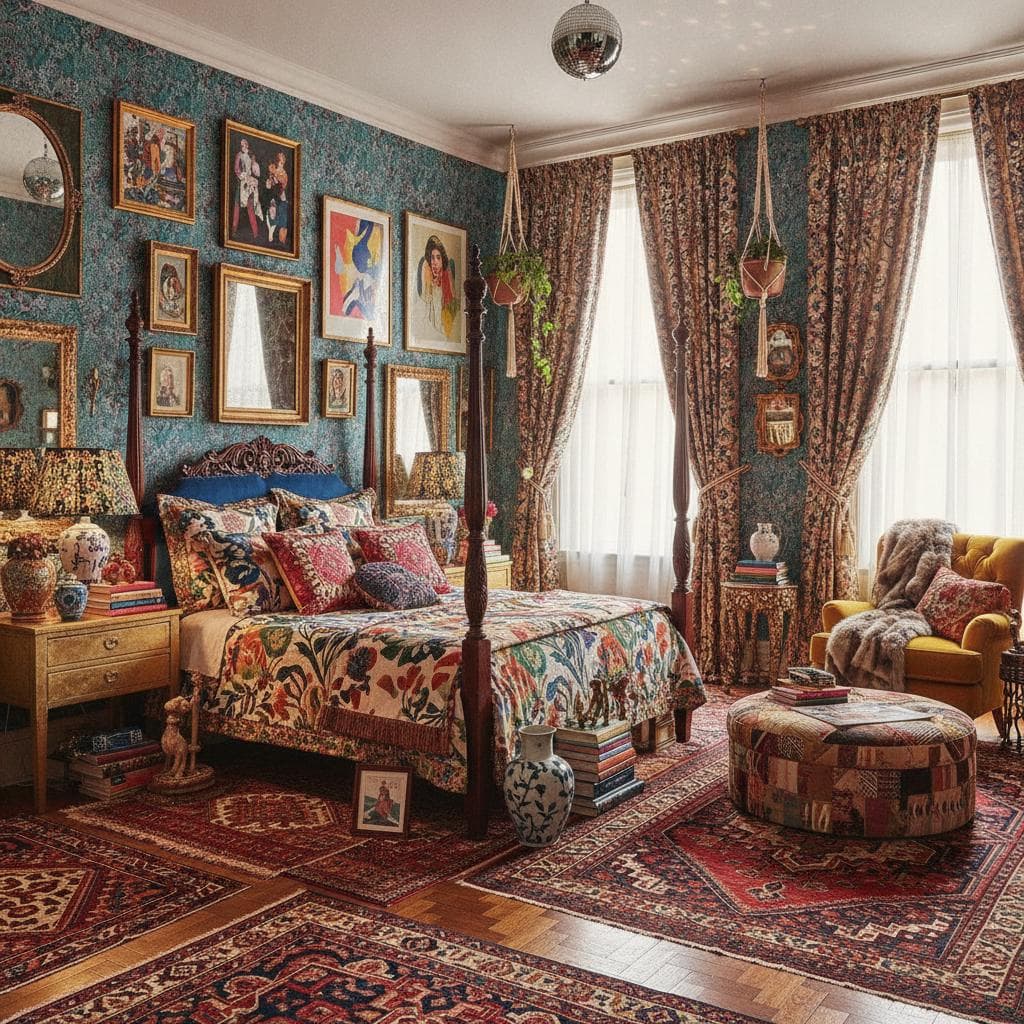
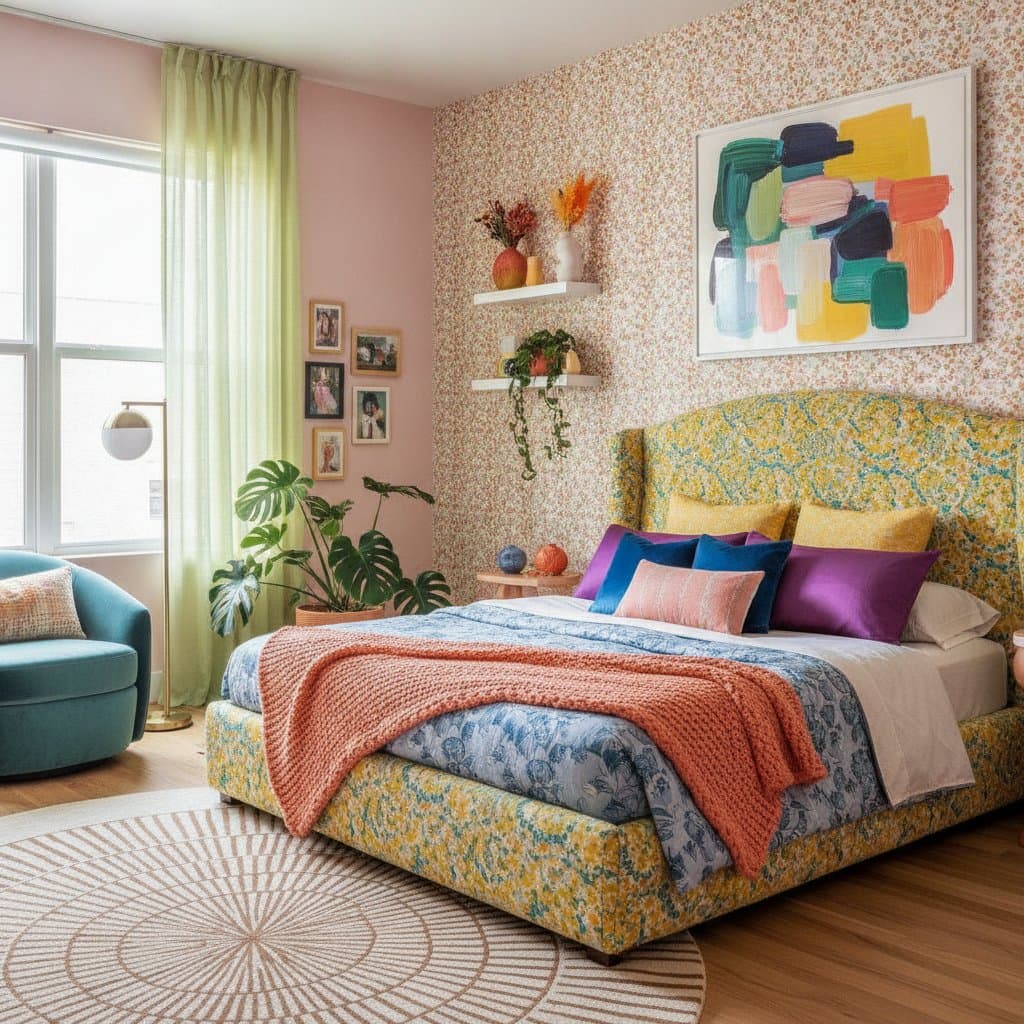
Parents who alternate night duties appreciate the chance to recover in their own room. One partner can select crisp linens and cool temperatures while the other chooses warmer textures and softer lighting. The arrangement reduces friction during busy mornings and lets each adult maintain preferred routines.
Current Design Adaptations
New floor plans locate the two suites at opposite ends of a hallway or on different levels. Soundproof walls, independent climate controls, and dimmable lighting function as practical tools for harmony. Designer Priya Latham notes that the layout supports choice: couples may share one suite on some nights and use separate rooms on others.
Lessons from Global Sleeping Practices
Japanese households often place two futons within the same room to balance closeness and comfort. Scandinavian couples use two smaller duvets on a single bed to avoid temperature disputes. Urban apartments apply similar ideas through sliding partitions and foldaway beds that convert a study into a temporary bedroom when needed.
Emotional and Practical Outcomes
Therapist Dana Moore finds that intentional separation frequently improves daytime intimacy because both partners wake rested. The extra room also serves future needs such as a home office or guest space. This adaptability increases property value in competitive markets.
Steps to Create Dual Suites at Home
Begin by testing separate bedding or a temporary partition in an existing room. During renovation, ask the designer to size two bedrooms equally and include individual storage and bathrooms. Focus on sound control and lighting choices that suit each occupant. The result supports both rest and connection without requiring additional square footage.