Key Points
- Eco-friendly mushroom cleaners harness natural enzymes from mycelium to dissolve grime, soap scum, and mildew effectively.
- These products prove safe for common bathroom surfaces and eliminate the risks associated with harsh chemical cleaners.
- Non-toxic and fully biodegradable, they support healthier indoor environments and protect waterways from chemical pollution.
- Homeowners benefit from reduced exposure to fumes and residues, promoting consistent use without health concerns.
- For optimal sanitation in high-risk areas, pair these cleaners with targeted disinfectants as needed.
Project Overview
Working time: 10 to 20 minutes per session
Total time: Varies based on buildup severity and drying periods
Skill level: Beginner
Estimated cost: Moderate initial investment, with savings over time through dilution and longevity
The Science of Mushroom Cleaners
Mycoremediation forms the foundation of these cleaners, a natural process where fungi degrade pollutants in ecosystems. In household applications, mycelium networks generate enzymes that dismantle organic buildup, including soap residues, mildew, and bacterial films. This enzymatic action converts grime into benign elements such as carbon dioxide and water.
Such cleaners integrate seamlessly into plumbing systems, as their byproducts pose no threat to pipes or septic setups. Environmentally, they minimize harm to aquatic habitats by avoiding toxic runoff. Users experience a subtle, natural aroma rather than overpowering chemical scents, which suits those with sensitivities to artificial odors.
Deciding Between DIY and Professional Services
Mushroom cleaners suit routine maintenance tasks that homeowners manage independently. They excel on showers, bathtubs, tile grout, sinks, countertops, toilet exteriors, floors, and diluted applications for glass doors and mirrors. Apply them weekly to sustain cleanliness and prevent accumulation.
These products address surface-level issues but lack disinfectant properties. In cases of extensive mold, water damage, or embedded black mold, engage professionals for thorough remediation. Fungal cleaners manage visible mildew yet cannot eradicate deep-seated contamination within structures.
Test cleaners on inconspicuous areas of natural stone or unsealed grout to avoid unintended reactions. If damage appears, consult specialists for appropriate restoration methods.
Essential Materials and Tools
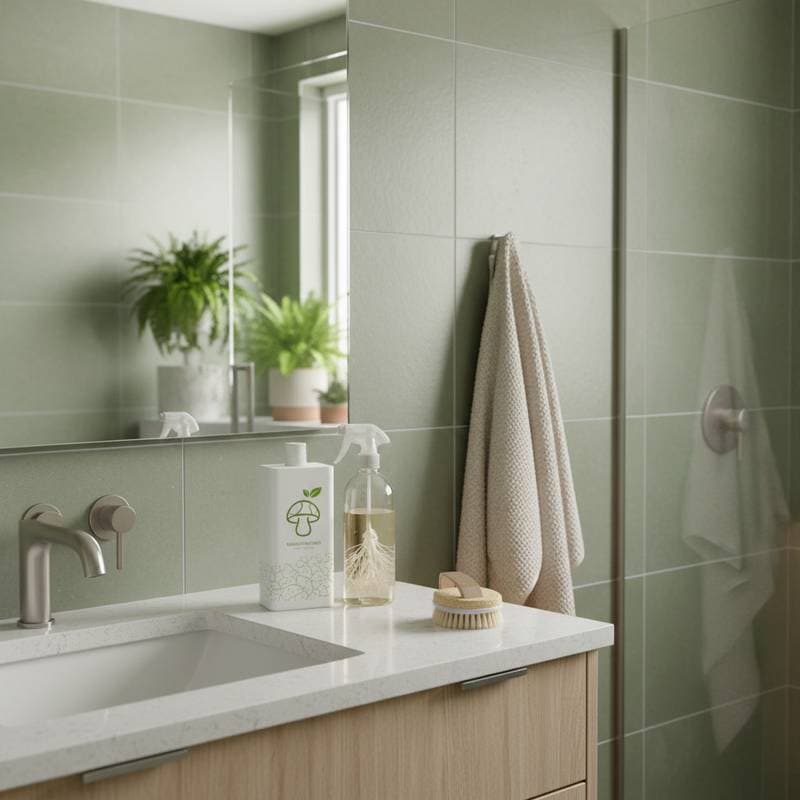
Opt for commercial mushroom cleaners or prepare a DIY version with mycelium enzyme concentrate from reputable eco-suppliers.
Commercial option:
- Mycelium-based cleaning solution
- Spray bottle for even application
- Soft-bristle brush or non-abrasive sponge
- Microfiber cloths for residue-free drying
DIY recipe:
- One part mycelium enzyme concentrate
- Three parts distilled water
- Splash of white vinegar for enhanced penetration
- Optional essential oils, such as tea tree or eucalyptus, for mild fragrance
Mix ingredients in a spray bottle, shake vigorously before use, and store in a cool, dark location to preserve enzyme activity.
Step-by-Step Application Guide
-
Prepare the area: Clear personal items and rinse surfaces with warm water to dislodge loose debris. This step enhances the cleaner's ability to reach embedded grime.
-
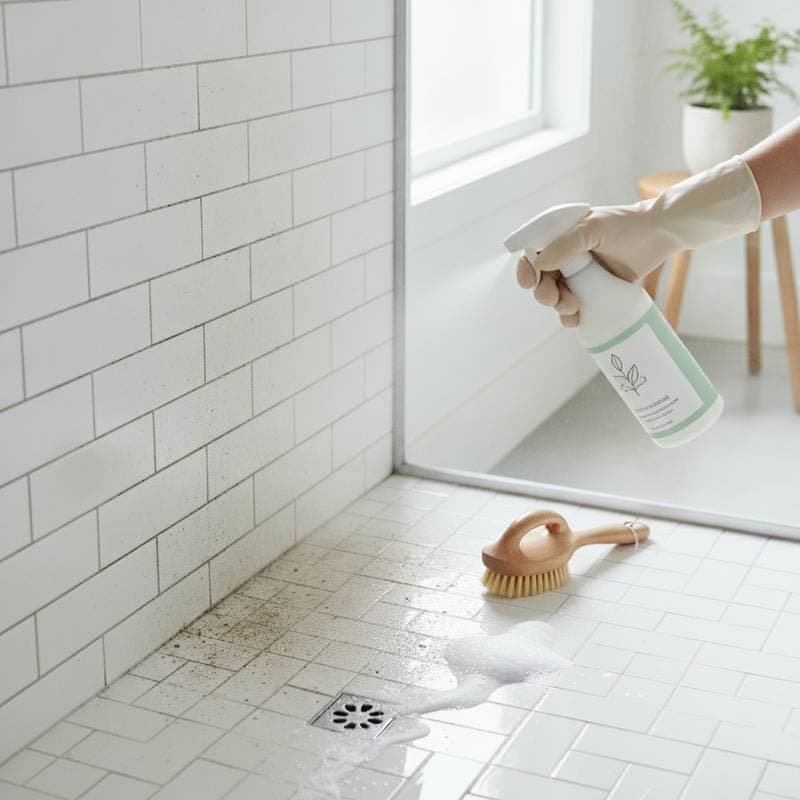
Apply the solution: Generously spray the mushroom cleaner on targeted areas like tiles, tubs, or sinks. Let it dwell for a minimum of five minutes to allow enzymes to activate and dissolve residues.
-
Scrub gently: Employ a soft brush or sponge in circular motions to agitate and lift softened material. Steer clear of abrasive tools that might etch delicate finishes.
-
Rinse completely: Flush surfaces with warm water to remove all traces of the cleaner. Observe how grime lifts away, leaving a refreshed appearance.
-
Dry and finish: Pat dry with microfiber cloths to eliminate water spots. For glass or mirrors, use a diluted mix and buff to a streak-free shine.
Achieving Lasting Cleanliness
Regular use maximizes the effectiveness of mushroom cleaners, integrating them into weekly routines rather than sporadic deep cleans. This approach curbs buildup and sustains low-residue surfaces over time.
Monitor these signs of success:
- Water forms uniform beads on tiles or glass, indicating repellency.
- Soap scum accumulates slowly between applications.
- The space maintains a clean, neutral aroma without artificial masking.
Persistent mildew smells or visible patches signal underlying problems like leaks or inadequate ventilation. Address these promptly, as no cleaner resolves structural deficiencies alone.
Managing Costs Effectively
Commercial mushroom cleaners carry a higher initial price than standard options, yet their durability offsets expenses. Enzymes retain potency through multiple dilutions, extending product life.
Bulk purchases of enzyme concentrate enable custom mixing, cutting costs and plastic waste. A single container yields several batches when proportioned correctly.
Adhere to dilution guidelines to maintain efficacy; excessive watering weakens performance and demands more frequent applications.
Safety Features and Eco-Advantages
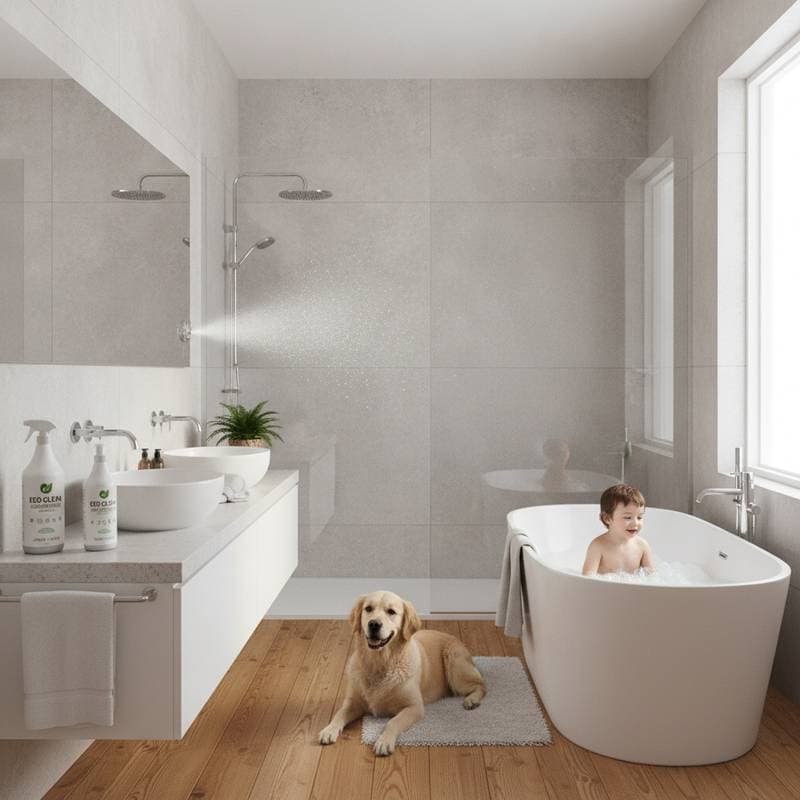
These cleaners qualify as non-toxic, posing no risks to children or pets, unlike ammonia or chlorine alternatives. They produce no volatile fumes, safeguarding indoor air quality during and after use.
Enzymes tackle odors by breaking down their organic sources, rather than concealing them. This proves particularly useful in humid bathrooms prone to bacterial growth.
Protect enzyme integrity by storing solutions away from sunlight and heat, which could diminish their breakdown capabilities.
Practical Techniques for Optimal Results
Dry surfaces promptly after use to inhibit mildew development. Follow showers with a light preventive spray of diluted cleaner on walls and glass.
Incorporate a squeegee routine on shower enclosures to minimize water residue and early buildup. Pair cleaning with ventilation strategies, including exhaust fans or open windows post-shower.
For grout discoloration, saturate stains with undiluted cleaner, extend dwell time to 10 minutes, and scrub meticulously with a soft toothbrush. These practices preserve surface integrity and lessen intensive cleanings.
Integrating Sustainable Practices
Adopting mushroom cleaners introduces accessible sustainability into daily routines, demanding minimal expertise while highlighting nature's role in home care. This method encourages exploration of complementary eco-solutions, from reusable cloths to natural polishes.
Prioritizing durable, low-impact products cultivates a living space that balances functionality and ecological stewardship. Each application reinforces cleaner habits, contributing to a healthier household and planet.