Magnetic Walls: A Practical Solution for Persistent Home Clutter
Clutter accumulates quickly in most households, turning counters, desks, and appliances into disorganized zones. As someone who covers organization topics professionally, the challenge persists even with extensive knowledge. The discovery of magnetic wall storage, gaining popularity online, provides an innovative way to reclaim space without adding furniture or permanent fixtures.
Understanding the Clutter Challenge
In compact living spaces, such as those in urban areas like Staten Island, walls represent valuable yet often overlooked real estate. Traditional solutions like pegboards demand frequent adjustments, hooks prove unreliable over time, and floating shelves attract dust despite their elegance. These methods fall short in balancing functionality and maintenance.
Initial Implementation of Magnetic Storage
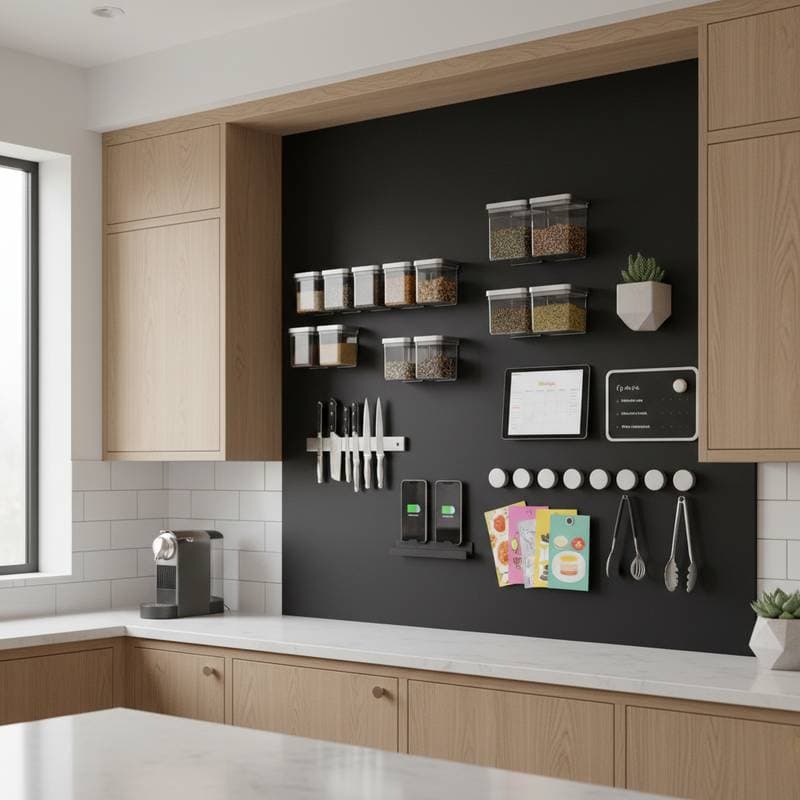
Begin with a modest setup to evaluate effectiveness. Adhesive magnetic strips paired with lightweight metal containers offer a simple starting point. Apply strips to underutilized areas, such as the interior of a pantry door, to store items like measuring spoons, bag clips, and spice tins that previously cluttered shelves.
The installation requires minimal effort, often involving only peel-and-stick application. The secure attachment of items provides immediate organization, and the process reveals untapped potential in hidden spaces. This success encourages expansion to other areas, such as above a desk for office supplies or in a bathroom for grooming tools.
Key Principles Behind Effective Magnetic Storage
Magnetic systems excel by prioritizing visibility and accessibility, core elements of successful organization. When items remain in plain view and easy to retrieve, the tendency to accumulate clutter diminishes. Unlike enclosed storage that promotes forgetfulness, this method ensures active use and awareness of possessions.
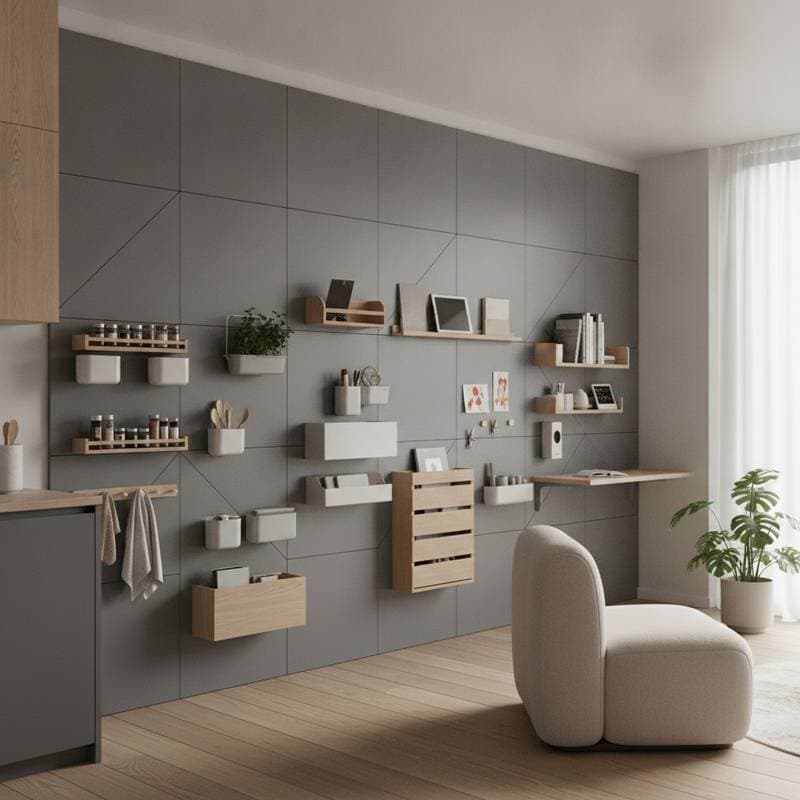
Flexibility sets magnetic walls apart from fixed alternatives. Repositioning requires no tools or surface alterations, making it ideal for renters or those preferring non-committal designs. Customization options range from targeted strips to full-wall applications using paint or panels, adaptable to kitchens, craft spaces, laundry rooms, garages, or entryways.
Steps to Install Your Magnetic Wall System
Approach the project methodically to achieve optimal results. Follow these guidelines based on practical experience:
-
Select an appropriate surface. Opt for smooth, flat areas to ensure strong adhesion. Cabinet interiors and narrow wall sections serve as effective initial locations.
-
Choose the installation method. Magnetic paint demands several layers for sufficient holding power, which may suit patient users. For quicker results, select adhesive metal sheets or panels available in various finishes to match existing decor.
-
Source suitable magnets. Use basic craft magnets for lightweight items like notes or small tins. For tools or heavier objects, employ neodymium magnets and verify their strength through testing.
-
Maximize vertical opportunities. Extend beyond standard walls to closet doors, refrigerator sides, or hallway sections. An entryway strip for keys and leashes, for instance, simplifies morning routines.
-
Maintain selectivity. Limit items to essentials to prevent visual overload. Review and adjust the setup periodically to align with evolving needs.
Practical Considerations and Limitations
While versatile, magnetic storage requires attention to certain constraints. Non-magnetic items necessitate creative solutions, such as metal holders or attachments. To avoid surface scratches from movement, apply felt pads to the base of containers.
Capacity limits apply to weight; heavier gadgets may require supplementary support. In homes with children or pets, position small components securely to minimize risks. These factors demand thoughtful planning, yet the overall benefits in convenience surpass the challenges.
Integrating Style with Storage Functionality
Beyond utility, magnetic walls enhance interior aesthetics when arranged with intention. Coordinated containers, such as uniform spice tins or color-matched supplies, contribute to a deliberate design scheme. This integration elevates storage from mere necessity to decorative element.
Creative applications include magnetic frames for displaying photos, creating a dynamic personal gallery without additional clutter. Such uses demonstrate how magnetic systems support both practicality and individuality in home environments.
Applying Magnetic Solutions to Everyday Spaces
Address specific clutter hotspots, starting with high-traffic areas like kitchen counters or entryways. Experiment with strips and containers to identify what suits your routine. This targeted approach fosters habits that sustain organization over time.
Effective systems accommodate real-life imperfections, reducing frustration from misplaced items. By leveraging walls for accessible storage, daily tasks become more efficient, transforming ordinary spaces into streamlined havens.