Key Points
- Magnetic walls deliver a no-drill, renter-friendly approach to storage and organization.
- The method incorporates magnetic primer or metal sheets under paint to form an invisible, functional surface.
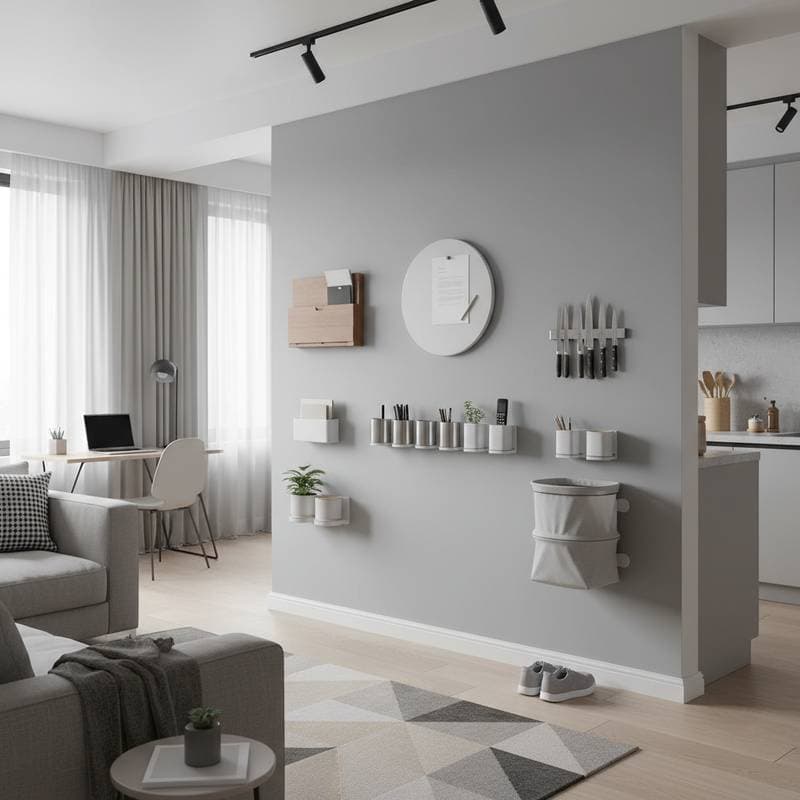
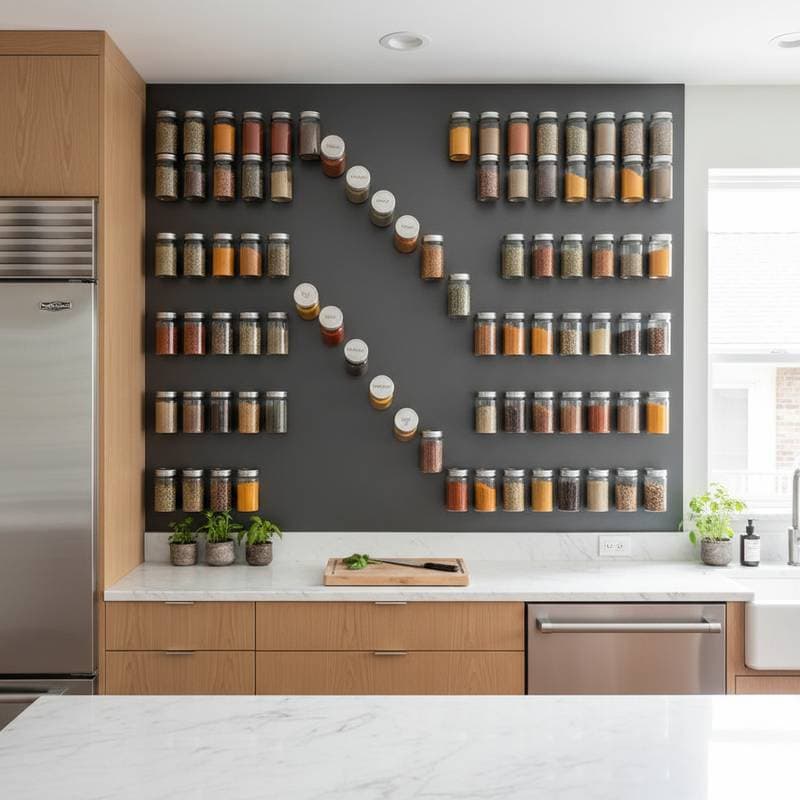
- These walls suit small spaces, home offices, and kitchens by minimizing clutter without wall damage.
- Proper installation and material choices guarantee durability and sufficient strength for ongoing use.
- Thorough planning and surface preparation secure strong adhesion and appealing appearance.
Technical Background
Magnetic walls function through the attraction between ferrous metal particles and magnets. Applied properly, the wall integrates tiny metallic fragments that interact with magnetic fields. This enables lightweight tools, containers, and decorations to adhere firmly without screws or nails.
Assessment
Examine the wall's build and surface before beginning. Smooth, clean drywall or plaster yields optimal results. Textured walls or those with extensive repairs might weaken magnet contact with the metallic layer. Measure the intended space and select high-traffic spots for storage, like areas above desks, by doorways, or along kitchen counters.
Gauge the anticipated weight. Basic magnets secure papers, small bins, or utensils. Heavier elements, such as spice racks or metal trays, benefit from steel panels. In rental situations, ensure materials allow removal or overpainting without lease breaches.
Planning Phase
Tools and Materials
- Magnetic primer or steel sheet panels
- Paint roller featuring a short nap and disposable tray liners
- Stirring stick and mixing paddle attachment
- Painter's tape and drop cloths
- Level, measuring tape, and pencil
- Strong neodymium magnets or magnetic hooks
- Personal protective equipment: gloves, respirator mask, and safety glasses
Surface Preparation and Safety
Wash the wall using mild detergent and let it dry completely. Lightly sand glossy areas to promote adhesion. Stir the magnetic primer well before and during use to distribute iron particles evenly. These primers prove denser and thicker than regular paint, so maintain good airflow and wear protective gear.
Apply three to four primer coats for solid magnetization. Allow each layer to dry fully prior to the next. Rushing drying or using thick applications risks uneven surfaces or flaking.
Implementation
- Mark the project area. Apply painter's tape for precise edges and balanced design.
- Apply the first primer coat. Roll in a single direction with steady pressure. Let it dry thoroughly.
- Add subsequent coats. Change rolling directions per layer for even spread. Check magnet pull after the third coat; apply a fourth if needed.
- Add topcoat paint. Once primer dries, brush on two layers of latex paint in the chosen shade. Lighter hues require additional coats to cover the primer's tone.
- Cure and test. Allow one complete drying cycle before magnet use. Begin with light items to verify hold before heavier ones.
For robust setups, secure pre-cut steel sheets to the wall with removable adhesive or screws into studs. Cover panels with joint compound and paint for seamless integration.
Quality Assurance
A well-executed magnetic wall provides consistent grip throughout. Test multiple spots with the same magnets. Weak areas signal uneven primer or inadequate mixing. Inspect for streaks or color variations prior to topcoating.
With panels, ensure edges align flush and no seams show under paint. Magnets must stick without noise or slippage. Renters should trial removal on a small section to confirm no damage occurs.
Maintenance
These walls demand little care. Wipe periodically with a damp cloth to clear dust and buildup. Steer clear of harsh cleaners that could wear paint or weaken bonds. If magnets lose traction, look for oils or grime reducing grip.
Repainting arises occasionally. Sand lightly for smoothness without disturbing metal layers.
Pro Tips for Success
- Select neodymium magnets for superior strength that endures paint or wallpaper layers.
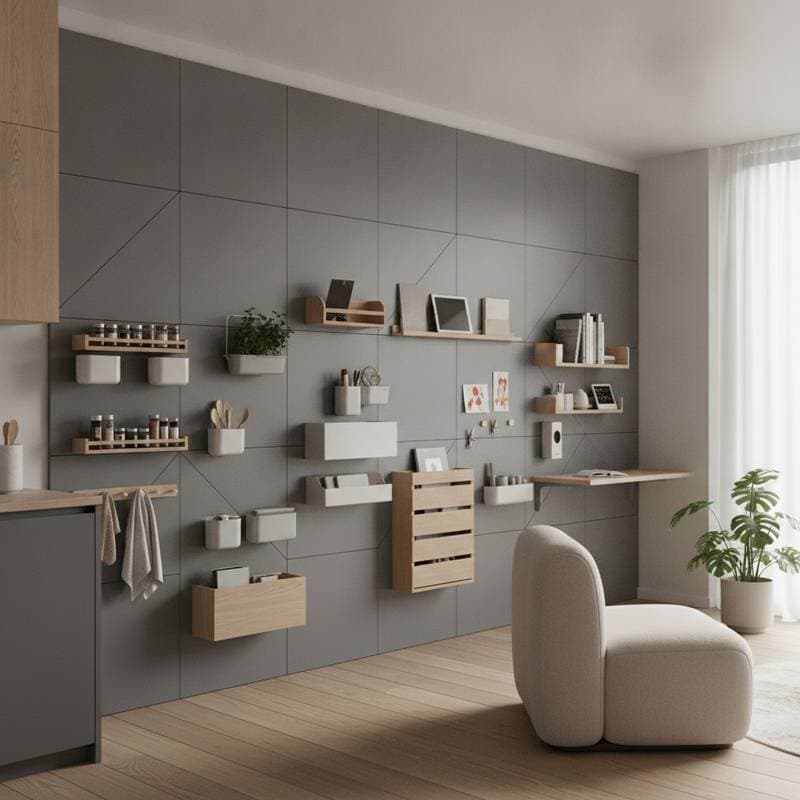
- Integrate magnetic zones with shelves or pegboards for versatile storage.
- Design modular areas adaptable to changing needs.
- Align finishes with room aesthetics for hidden utility.
- Position away from electronics or data storage to prevent interference.
Transform Your Space with Magnetic Walls
Magnetic walls present a reversible strategy to control clutter sans drilling or wall harm. They blend innovation, utility, and adaptability, ideal for renters and adaptable homeowners. Through meticulous preparation, apt materials, and refined techniques, convert idle walls into efficient, evolving organizational hubs.