Key Points
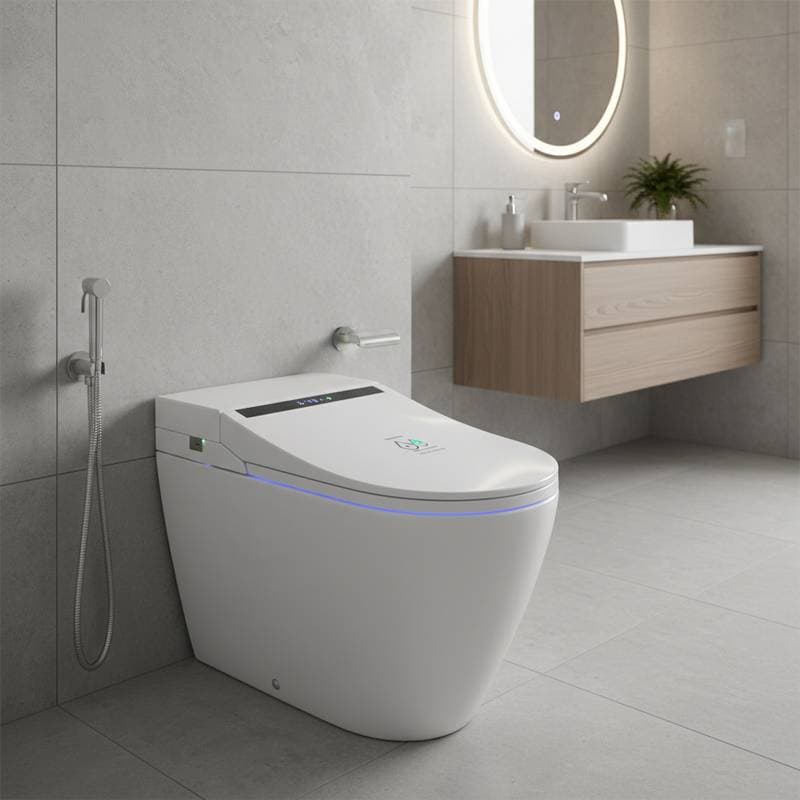
- Self-cleaning toilets combine integrated washing systems, antimicrobial surfaces, and automated flushing mechanisms to maintain cleanliness with minimal user effort.
- These units reduce bacterial growth, resist staining, and support water conservation while improving overall bathroom hygiene.
- Installation requires compatible plumbing, electrical setups, and adherence to manufacturer instructions for peak performance.
- Regular inspections of components such as spray nozzles and filters ensure long-term reliability.
- Advanced features like UV sanitation, automatic lid operation, and odor-neutralizing filters enhance comfort and hygiene levels.
Technical Background
Traditional toilets rely on manual scrubbing with chemical cleaners. Over time, mineral deposits, organic residues, and bacteria build up under the rim and inside the bowl. These accumulations affect appearance and contribute to pathogens that impact air quality in confined spaces.
Assessment
Before choosing a self-cleaning toilet, evaluate your current plumbing setup. Measure the rough-in distance from the wall to the center of the waste pipe, which measures 12 inches in most homes. Verify that your bathroom's electrical circuit can handle the additional load from electronic components.
Check your home's water pressure, aiming for 40 to 80 psi to ensure effective jet operation. In regions with hard water, install a water softener or filtration system to prevent scale buildup on nozzles.
Select the cleaning technology that matches your needs, from electrolyzed water systems to those enhanced with UV light. Decide between a full smart toilet unit or a retrofit seat, depending on your budget and available space.
Planning Phase
Tools and Materials
- Adjustable wrench and slip-joint pliers for tightening connections
- Full set of screwdrivers for assembly
- Level and measuring tape for precise alignment
- Wax ring or manufacturer-recommended seal gasket
- Grounded electrical outlet accessible for the power cord
- Flexible water supply line rated for high-pressure use
Preparation and Safety
- Turn off the water supply using the shutoff valve behind the toilet.
- Remove the old fixture carefully, placing a bucket or towel to catch residual water.
- Clean the floor flange area thoroughly before installing the new unit.
- Follow electrical safety guidelines, using GFCI-protected outlets where required.
Plan to work with at least one assistant, as the unit's electronics add significant weight. Allocate several hours for placement, setup, and testing.
Implementation
- Positioning and Mounting: Align the waste outlet with the floor flange. Place the wax ring or gasket for a watertight seal. Lower the unit into position and secure it with the supplied bolts.
- Water Connection: Attach the supply line to the tank inlet or valve with an adjustable wrench. Tighten connections securely without damaging threads.
- Electrical Connection: Plug the power cord into a grounded outlet. Keep cables clear of water sources and walkways to avoid risks.
- System Calibration: Run the initial setup sequence as specified by the manufacturer, which typically includes a first flush and rinse.
- Testing: Activate the cleaning mode to check jet coverage, UV function, and deodorization. Examine all joints for leaks at the base and supply lines.
Quality Assurance
After several uses, assess the system's performance. The bowl should remain spotless and free of residue post-cleaning. If streaks appear, recalibrate the nozzle to cover the full interior surface.
Monitor indicator lights and sensor reactions. The lid should open and close smoothly, with motion sensors detecting users quickly. Confirm that fans or neutralizers operate quietly and effectively.
Follow the maintenance schedule in the manual. Replace filters based on local water quality, often every three to six months. Keep manuals and part numbers handy for easy reference.
Maintenance
Regular care extends the life of self-cleaning toilets. Each week, wipe exterior surfaces with a mild, non-abrasive cleaner. Avoid bleach-based products, which can damage protective coatings.
Clean nozzles at suggested intervals, using any built-in self-cleaning features. Perform occasional manual checks to prevent blockages that reduce spray power.
Inspect power cords and plugs for wear. If sensors or cycles malfunction, reset the control panel according to the instructions. Call a licensed technician for persistent problems, and never attempt unauthorized repairs.
Pro Tips for Success
- Water Quality Management: Hard water can cause mineral deposits on jets; install an inline filter to protect components and prolong lifespan.
- Power Reliability: Since these toilets require electricity, consider a uninterruptible power supply in areas with frequent outages.
- Personalization Options: Adjust settings for water pressure, seat warmth, and cycle duration to suit preferences; make changes gradually for optimal results.
- Routine Evaluations: Every three months, check seals, bolts, and outlets, ensuring GFCI protection works properly.
- Expert Oversight: Have a professional inspect UV lamps or electrolysis parts annually to maintain their bacteria-eliminating effectiveness.
Sustaining Hygiene and Efficiency
A self-cleaning toilet transforms daily routines by providing seamless sanitation and water savings. By following these steps consistently, you preserve the unit's capabilities and create a healthier, more efficient bathroom. This choice streamlines maintenance and supports eco-friendly habits for the long term.