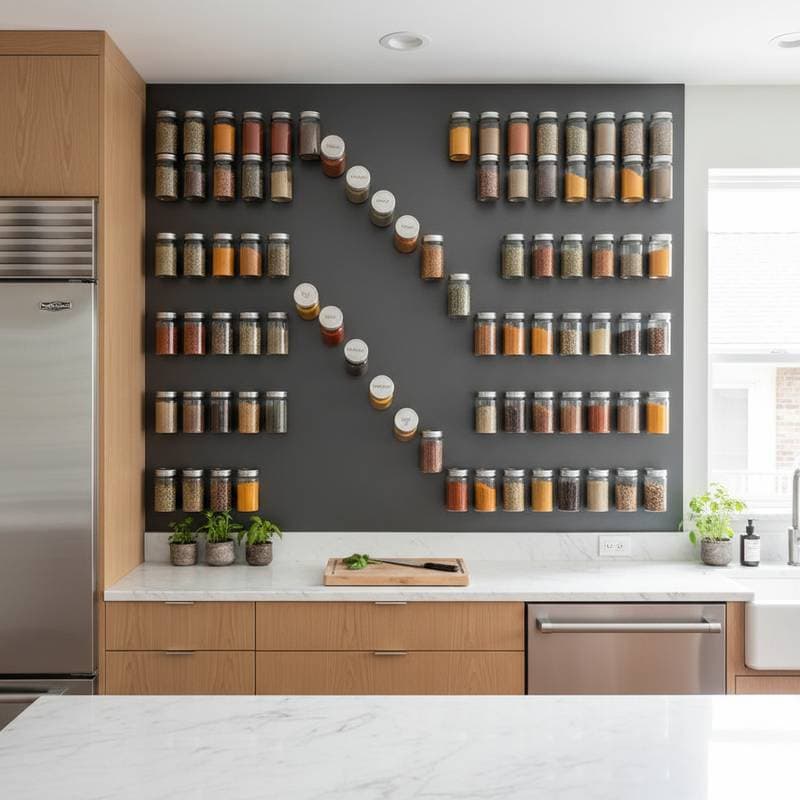
Introduction to Hidden Storage Solutions
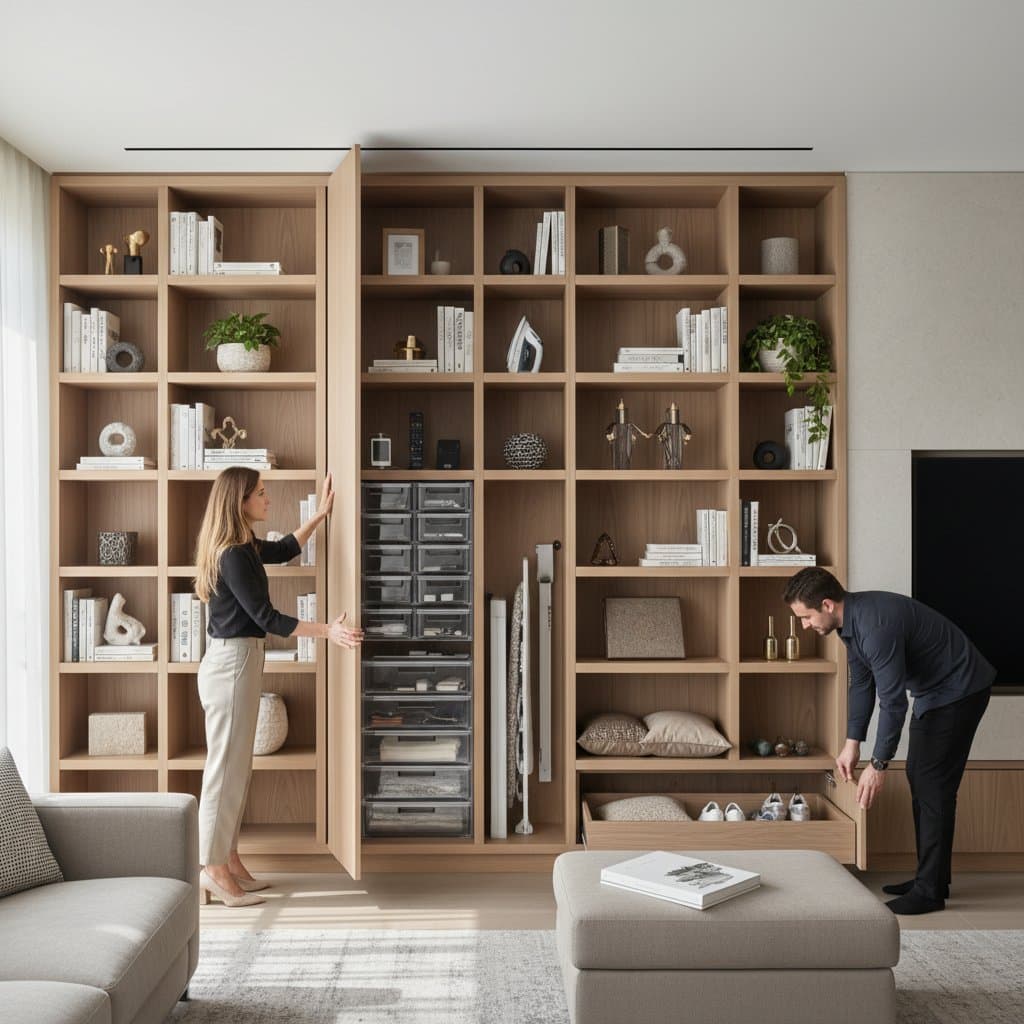
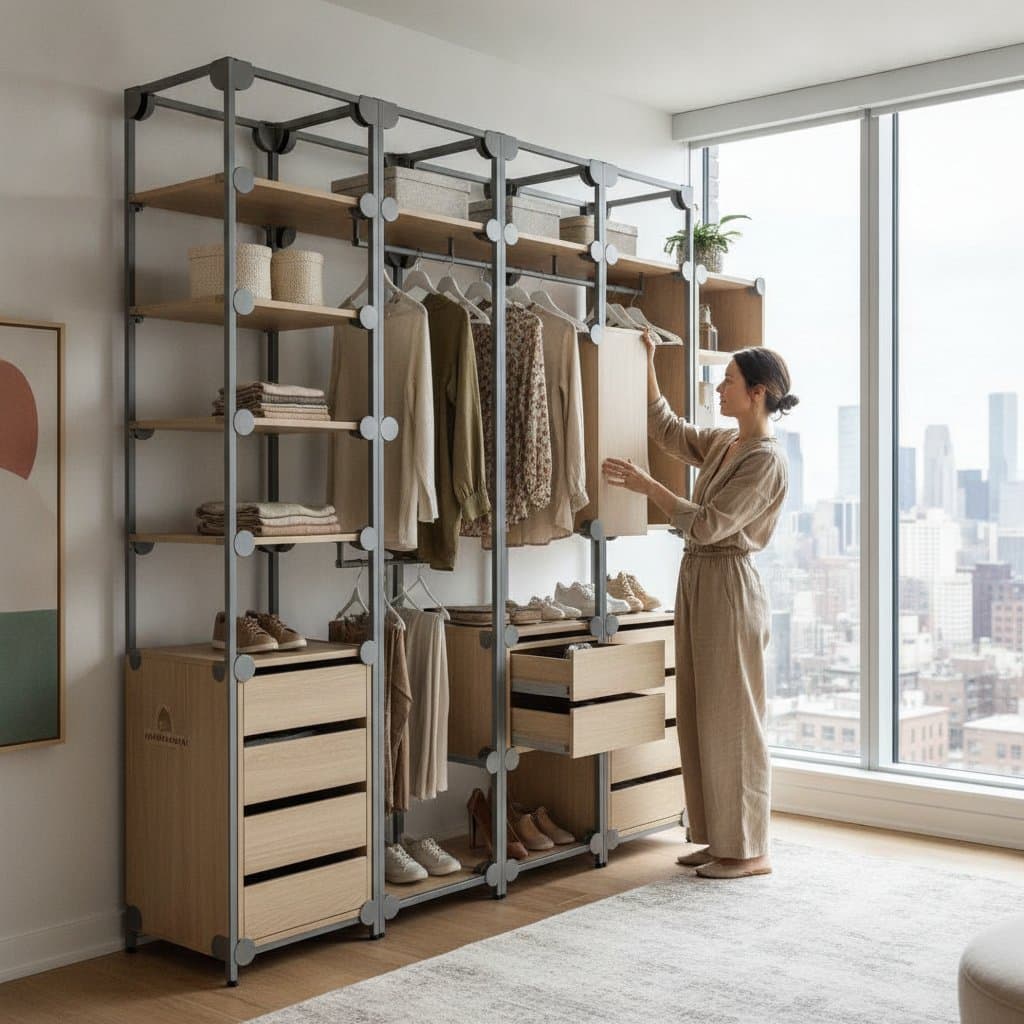
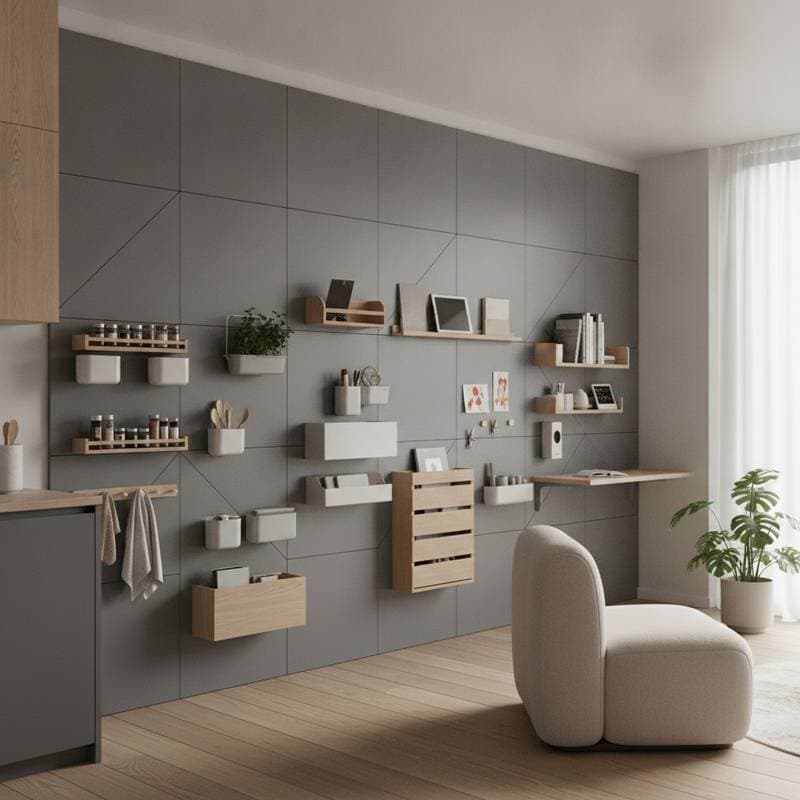
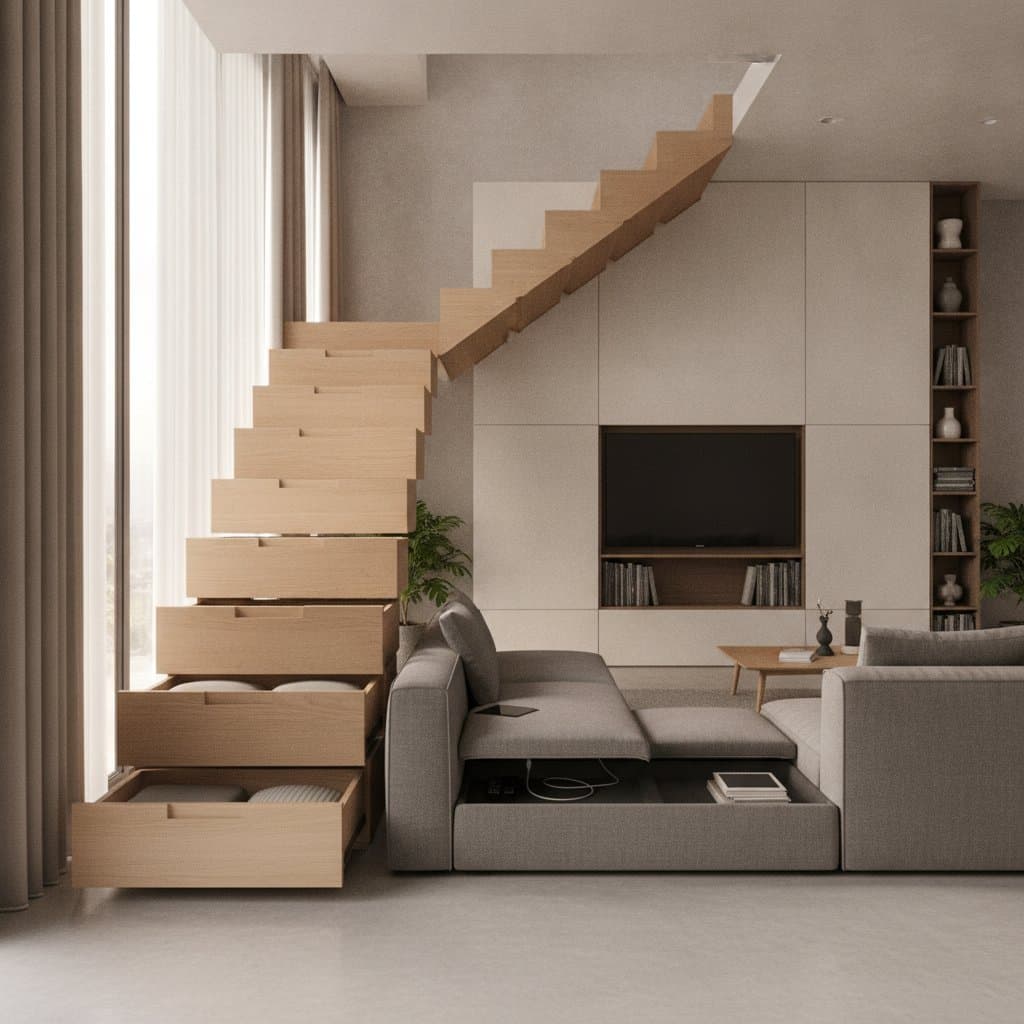
Hidden storage offers a practical way to expand usable space in homes without undertaking extensive renovations. These solutions conceal items behind everyday surfaces, maintaining a clean and cohesive design. Homeowners benefit from reduced visual clutter and improved organization, which contributes to a more peaceful atmosphere.
This guide provides detailed instructions for creating hidden compartments in walls, furniture, and other areas. Focus on safety, precision, and integration ensures long-lasting results. Whether for everyday essentials or valuables, these methods deliver both utility and elegance.
Essential Tools for the Project
Gather the following tools to execute hidden storage projects effectively:
- Stud finder and level for accurate measurements and alignments.
Circular saw or oscillating multi-tool for clean cuts in various materials.
Drill with assorted bits to create pilot holes and secure fasteners.
Tape measure and pencil to mark precise dimensions.
Screwdriver set and pry bar for assembly and disassembly tasks.
Safety glasses, gloves, and dust mask to protect against hazards.
Select high-quality tools that suit the scale of your project. Proper maintenance of these items prevents accidents and ensures professional outcomes.
Key Materials for Construction
Choose materials that align with your home's existing decor for seamless integration:
- Plywood panels or MDF boards to form durable compartment walls.
- Soft-close hinges or magnetic latches for reliable access mechanisms.
- Hidden drawer slides or push-to-open systems for smooth functionality.
- Trim molding to disguise openings effectively.
- Wood glue, screws, and finishing materials for secure and polished assembly.
Source materials from reputable suppliers to guarantee strength and finish quality. Matching textures and colors minimizes visible seams.
Planning Your Hidden Storage Project
Approach the project in three structured stages to achieve optimal results.
- Design Phase: Sketch the compartment dimensions and select the access method, considering the space's load-bearing capacity and intended use.
- Procurement Phase: Acquire materials that complement the surrounding finishes, verifying compatibility with tools on hand.
- Scheduling Phase: Set aside dedicated time blocks for cutting, assembly, and finishing to avoid interruptions and errors.
Prioritize safety throughout. Scan the work area with a stud finder and consult building codes to avoid utilities like electrical wiring or pipes.
Step-by-Step Construction Guide
Follow this sequence to build a hidden compartment with precision and care.
- Mark the Area: Trace the compartment outline on the surface using a tape measure and level. Double-check alignments to prevent crooked installations.
- Cut the Access Opening: Employ a multi-tool or circular saw to follow the lines accurately. Extract the cut material gently to preserve adjacent structures.
- Frame the Compartment: Assemble a sturdy box from plywood or MDF, anchoring it firmly between studs or inside furniture frames. Use wood screws to reinforce all joints.
- Install Access Mechanisms: Mount hinges, slides, or latches per the manufacturer's guidelines. Operate the compartment repeatedly to verify fluid motion.
- Conceal the Opening: Apply trim, molding, or veneer that matches the environment, securing pieces with adhesive and nails for a flush fit.
- Apply Finishing Touches: Coat surfaces with paint, stain, or laminate to blend seamlessly. Permit full drying time before loading items.
This methodical process promotes structural integrity and aesthetic harmony. Adjust techniques based on the specific location, such as walls versus cabinetry.
Verifying Installation Quality
Conduct a thorough evaluation post-construction to confirm reliability.
- Functionality Assessment: Cycle the compartment open and closed several times, noting any resistance or misalignment.
- Load Capacity Test: Insert representative items to test stability, adhering to material weight limits.
- Aesthetic Review: Inspect from various angles for uniform appearance and integrated design elements.
- Safety Inspection: Eliminate hazards like protruding edges or loose components through sanding or additional securing.
Keep a visual record of the installation process. Such documentation proves invaluable for future adjustments or professional consultations.
Ongoing Maintenance Practices
Preserve the functionality of hidden compartments with regular upkeep.
- Wipe hinges and slides with a dry cloth quarterly to remove debris.
- Check wall units periodically for signs of moisture or structural shifts.
- Secure any loosening screws or reapply glue as needed to maintain alignment.
- Refresh finishes promptly when wear appears to protect against damage.
For secure storage of important items, integrate subtle locking systems or advanced security features. These additions enhance protection without altering the concealed nature.
Expert Recommendations for Optimal Results
- Initiate with Modest Projects: Practice on a small wall recess or drawer modification to build confidence and skills.
- Align Materials Precisely: Select woods and finishes with similar grains and hues to ensure invisibility.
- Add Discreet Illumination: Incorporate low-profile LED lights to facilitate access in dim areas.
- Optimize for Ease of Use: Position openings to support intuitive daily routines without drawing attention.
- Manage Expenses Strategically: Repurpose scraps from other projects to minimize spending and environmental impact.
These strategies elevate basic installations to sophisticated features. Experiment within safe parameters to personalize solutions.
Benefits of Integrated Hidden Storage
Hidden storage transforms living areas by concealing clutter and streamlining access to belongings. This approach fosters a minimalist environment that supports mental clarity and efficient routines. Over time, such enhancements not only improve daily comfort but also boost the overall appeal and market value of the property.
Invest effort in planning and execution to realize these advantages fully. Each compartment serves as a testament to innovative organization and thoughtful design.