Why Japandi Bathrooms Capture Attention on Social Media
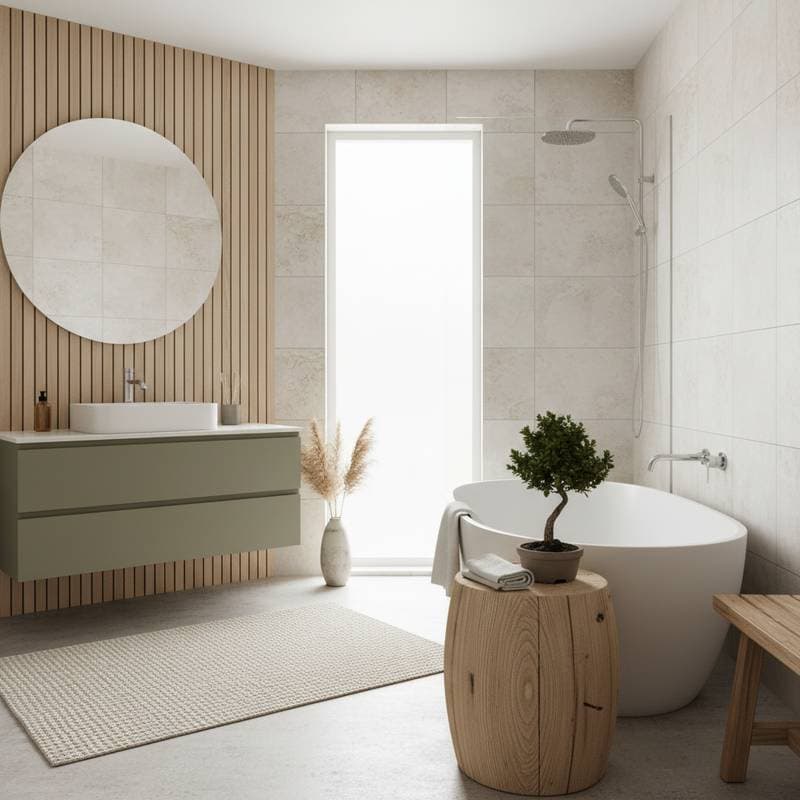
Home design enthusiasts frequently discover a captivating style while scrolling through social media feeds. These bathrooms feature soft neutral tones, clean lines, natural textures, and an overall sense of calm. This trend, called Japandi, combines Japanese minimalism with Scandinavian warmth to create modern interiors, especially in bathrooms that double as relaxing retreats and efficient spaces.
Design professionals appreciate environments that balance practicality with tranquility. In bustling urban apartments or busy family homes, people desire bathrooms that offer a break without requiring major renovations or large budgets. Japandi delivers this equilibrium through its subtle sophistication, drawing in a broad audience online.
Key Principles
- Japandi merges Japanese simplicity with Scandinavian comfort for a balanced, calming look.
- It prioritizes natural materials, muted color palettes, and deliberate minimalism.
- Social media highlights Japandi bathrooms for their peaceful imagery and straightforward application.
- The style fits various spaces, from small urban units to larger family residences.
- Simple updates like wooden accents, stone fixtures, and soft lighting create the signature aesthetic affordably.
Origins and Growth of the Japandi Bathroom Trend
The popularity of Japandi bathrooms on digital platforms reflects a growing desire for calm in fast-paced lives. Amid daily distractions, these designs restore balance through visual serenity and tactile comfort.
Interior designer Lina Sørensen from Copenhagen points to the style's disciplined appeal. "People tire of abundance," she states. "A Japandi bathroom invites individuals to pause and value subtle elements like wood, linen, and clay."
Tokyo-based stylist Aiko Tanaka credits its online success to thoughtful balance. "The design remains straightforward yet inviting," she observes. "Japanese principles cherish void and openness, while Scandinavian influences introduce coziness and ease. The result feels approachable."
This combination photographs beautifully, which explains its dominance on Instagram and Pinterest. Muted colors, diffused light, and organic textures produce inspiring images that encourage homeowners to recreate the look.
Suitability of Bathrooms for Japandi Principles
Bathrooms serve practical purposes but hold deep emotional significance. People begin and end their days in these spaces, using them for routines and moments of solitude. Japandi honors this dual role by emphasizing calm alongside functionality.
Experts observe that bathrooms often receive minimal focus during home planning. Professional organizer Rachel Feldman notes, "Individuals view them solely as serviceable, yet they influence daily rhythms." She adds, "Japandi's dedication to composure and structure suits bathrooms regardless of scale."
Adding Japandi elements can make rooms feel larger and more intentional. For example, replace harsh overhead lights with a rice-paper pendant and add a bamboo stool near the tub to shift the mood toward restoration after long days.
Essential Components of a Japandi Bathroom
Creating a Japandi bathroom requires targeted choices rather than a full overhaul. Concentrate on elements that promote serenity and harmony through materials, colors, and layout.
Natural Materials
Use wood, stone, bamboo, and linen to add warmth and texture without overwhelming the space. Draw from Japanese traditions by selecting hinoki wood for its subtle scent and moisture resistance in vanity tops or shelving. Scandinavian influences suggest light oak or birch for their fresh, airy quality in towel racks or frames. Incorporate these through wooden trays for soaps, woven bamboo mats, or stone soap dishes.
Subdued Color Scheme
Build around soft neutrals like beige, off-white, taupe, and pale gray. Add subtle anchors in black or charcoal for grounding, but avoid bold colors. Let natural light and material finishes provide interest. In rentals, achieve this with removable items such as neutral shower curtains, linen towels, and small accents like matte black hardware.
Purposeful Minimalism
Choose pieces that serve a clear function. Fold towels neatly on open wooden shelves, keep bath salts in glass jars, and place a simple ceramic vase with dried branches. Remove excess items to foster calm; fewer objects heighten the sense of peace.
Gentle Illumination
Harsh lights can break the serene mood. Instead, use layered sources like wall sconces with frosted shades, candles for evenings, or dimmable LEDs to evoke a spa-like atmosphere. This setup turns ordinary showers into soothing rituals.
Organic Accents
Incorporate plants that thrive in humid conditions, such as ferns or eucalyptus in a clear glass vase, to bring life without clutter. Embrace wabi-sabi aesthetics by selecting handmade pieces with natural imperfections, like uneven stone bowls, for authentic charm.
Appeal of Japandi Bathrooms on Social Media
The online allure of Japandi bathrooms goes beyond visuals; it represents mindfulness, sustainability, and composure. These spaces reflect light beautifully and align with movements toward intentional living and smart choices.
Posts showcasing Japandi updates generate enthusiastic responses, as viewers admire the calming impact and accessibility. Unlike trends demanding luxury materials or extensive work, Japandi relies on precise, budget-friendly tweaks.
Social media specialist Hannah Ruiz highlights the restorative power of these images. "Platforms overflow with vibrancy and disorder," she says. "Japandi images offer respite, even digitally."
This digital calm translates to real-life benefits. Natural materials and organized setups support mental clarity, ideal for families handling demanding schedules.
Cultural Foundations and Versatile Applications
Japandi's widespread appeal comes from blending traditions that value craftsmanship and restraint in fresh ways. Japanese Zen focuses on harmony and stillness, while Scandinavian hygge celebrates comfort and everyday joys.
Across locations, the style adapts to local needs, from rustic weaves in countryside homes to sleek efficiency in city apartments. It connects grounded textures with refined details, tradition with modernity.
Designer Mika Ito, who works across cultures, confirms its global adaptability. "The blend respects both discipline and invitation," she explains. "Perfection yields to purpose; each detail fulfills a subtle role."
Adapting Japandi to Compact Bathrooms
In small bathrooms, Japandi's streamlined approach maximizes space and serenity.
Start with Organization
Clear out unnecessary items to open up the area visually. Use baskets made from natural fibers like seagrass or rattan to store essentials neatly.
Choose a Dominant Material
Focus on one natural element for cohesion, such as light wood in wall-mounted shelves that matches cabinetry or flooring. This repetition builds calm effortlessly.
Streamline Fixtures
Opt for slim sinks, matte finishes to reduce glare, and wall-hung storage. Swap shiny chrome for brushed nickel taps to soften the industrial feel.
Add Plants Sparingly
Place one resilient option, like a peace lily, in a corner to inject energy without crowding.
Layer Subtle Textures
Incorporate neutral fabrics on a small bench, woven hooks for towels, and light curtains to add warmth within the minimalist framework, nodding to Scandinavian layering.
Practical Japandi for Family Settings
Family bathrooms need to withstand daily use while maintaining order. Japandi achieves this by simplifying upkeep without compromising elegance.
- Organize toys and supplies in labeled clear bins or wooden crates.
- Add low hooks for towels to encourage independence.
- Choose durable materials like sealed wood and natural stone that age gracefully.
- Tuck cleaning tools into fabric bins for easy access and hidden storage.
These adjustments keep the space stylish amid activity. Children often thrive in the orderly atmosphere.
Lasting Advantages of Sustainable Japandi Design
Japandi's use of long-lasting, nature-based materials supports environmental goals. Selections emphasize quality over trends, minimizing waste through enduring appeal.
Adopting this style turns bathrooms into daily anchors of balance. Natural elements and thoughtful decisions create environments that support well-being and steady routines.