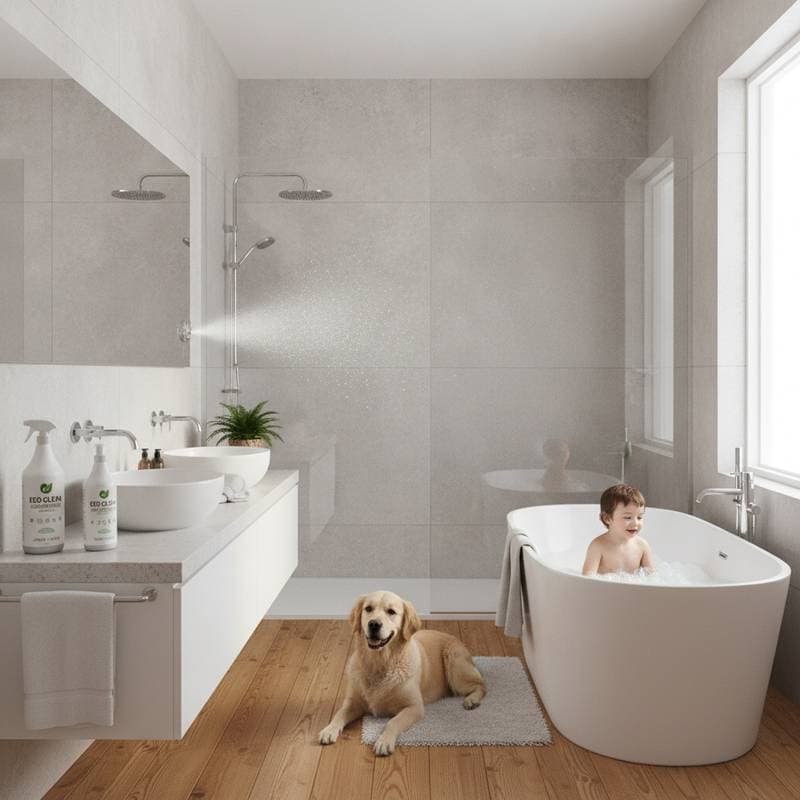
Why Steam Cleaning Fits Every Bathroom Routine
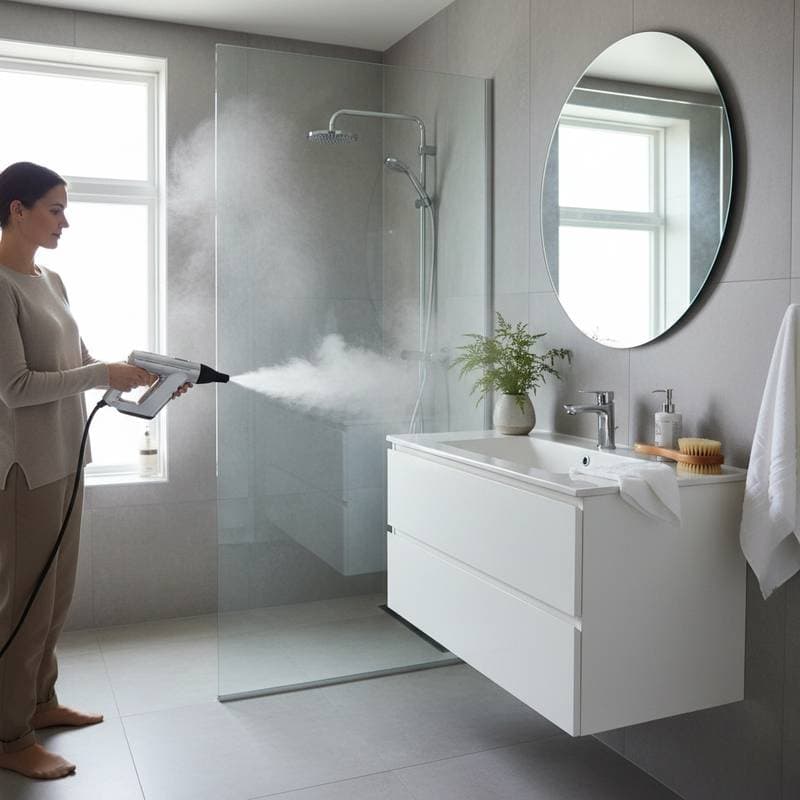
Bathroom maintenance frequently confronts soap scum, mildew, and hard water deposits using commercial cleaners that emit strong fumes and pose health concerns. Steam cleaning offers a superior option through heated water vapor that loosens dirt, disinfects surfaces, and clears buildup absent synthetic agents. This technique employs heat and moisture for profound sanitation while upholding indoor air quality and material durability.
Practical applications, such as in a rural homestead, demonstrate how basic steam devices produce exceptional outcomes via physical principles instead of chemical processes. Proper execution yields results akin to expert services, all while bolstering household safety and ecological well-being.
Project Overview
Working Time: 1 to 2 hours for a complete bathroom
Total Time: 2 to 3 hours, accounting for preparation and drying
Skill Level: Beginner to intermediate
Estimated Cost: $100 to $300 for a reliable steam cleaner, followed by minimal recurring costs
Deciding Between DIY and Professional Help
Homeowners with familiarity in household appliances can handle steam cleaning by dedicating time and emphasizing safety precautions. The task aligns well with individuals adept at controlled, methodical motions.
Professionals prove essential for challenges like deeply embedded wall or ceiling mold, which necessitate advanced remediation. Natural stone materials such as marble or limestone demand confirmation of their resistance to heat and humidity prior to steaming. For tile, porcelain, glass, vinyl, and sealed grout, steam cleaning stands as a secure and potent DIY choice.
Materials and Tools
Essential Tools:
- Steam cleaner with adjustable pressure and temperature settings
- Extension wands and targeted nozzles for reaching tight spaces
- Microfiber cloths to wipe away loosened debris
- Nylon or brass brushes appropriate for grout lines and fixtures
- Squeegee attachment suited for glass and mirrors
Optional Items:
- Distilled water to reduce mineral accumulation
- Absorbent towels for expedited post-clean drying
- Protective gloves to guard against heat
Budget Options:
Handheld steamers function as cost-effective substitutes for larger units. These devices include small reservoirs and shorter operation periods yet deliver adequate force for compact bathrooms or focused tasks.
How Steam Delivers Effective, Chemical-Free Sanitation
Steam merges intense heat with humidity to expand water particles, which seep into surface crevices and lift away soil, residues, and microbes. The high temperatures deactivate pathogens and mold on contact, guaranteeing comprehensive disinfection.
This mechanical dislodging of impurities contrasts with chemical breakdown or mechanical scraping, leaving surfaces free of remnants after a straightforward pass with a cloth. In textured zones like grout and shower ledges, steam penetrates deeply to eradicate hidden bacteria, then hastens evaporation to deter recurrence.
Step-by-Step Guide to Steam Cleaning
1. Preparation
Remove all personal items, towels, and mats to establish a clear area. Dust off fixtures and vents to keep loose particles from redepositing on treated surfaces. Load the steamer with distilled or filtered water and allow it to reach full operating temperature.
2. Tile and Grout
Choose a standard nozzle or brush head. Move steadily along grout seams from a few inches away, permitting steam to infuse without aggressive rubbing. Follow each section with a microfiber cloth to collect released grime.
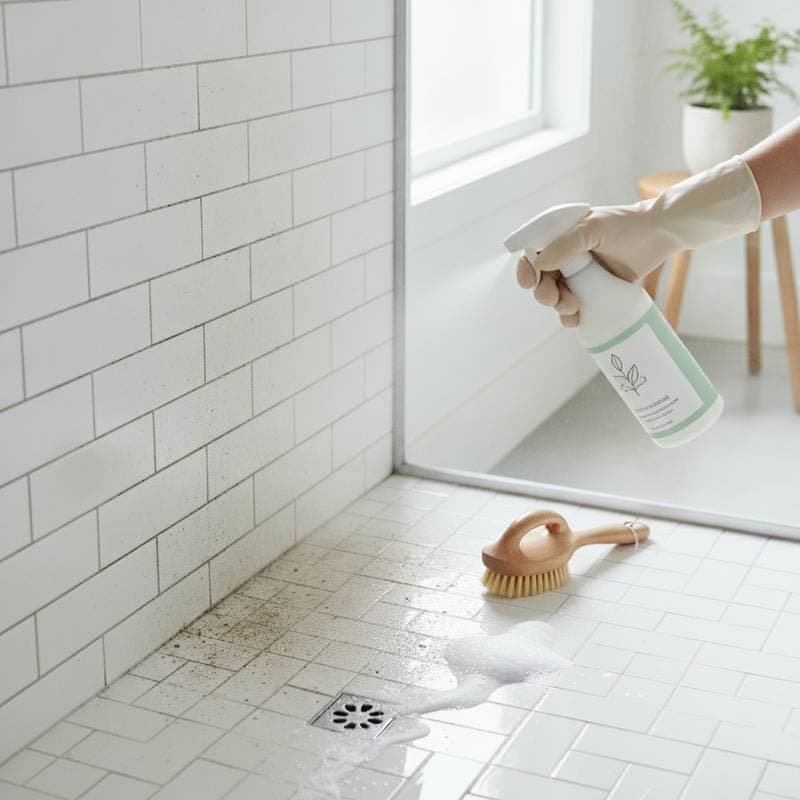
For discolored grout, pair steam passes with light brushing. Apply several treatments to confined spots for best outcomes, then allow complete air-drying before applying any sealant.
3. Fixtures and Hardware
Fit a precision nozzle or brush for taps, knobs, and drains. Aim steam to melt away scale and coatings without harming plating. To address stubborn layers, wrap the nozzle tip in microfiber to concentrate warmth securely.
4. Glass and Mirrors
Install the squeegee tool for enclosure panels and reflective surfaces. Sweep steam from top to bottom with slight overlaps to prevent spotting. Buff dry with a cloth for a flawless, clear result.
5. Toilets and Sinks
Focus on contact points including toilet pedestals, pivots, and seat undersides, plus basin outlets and spouts. Steam efficiently dissolves accumulations in these zones.
6. Floors and Baseboards
Employ a mop head with microfiber cover for flooring, emphasizing edges. Simultaneously treat baseboards to free trapped dust as you advance.
Techniques for Superior Steam Cleaning Results
Work systematically to maximize steam absorption. Position cloths nearby for immediate debris capture. Promote airflow using a fan or by opening a window to handle excess humidity.
Maintain even pressure to prevent moisture seepage into joints. Angle the nozzle clear of exposed skin and perform quick tests on surfaces before prolonged application. View the steamer as a targeted instrument, honoring its limits for consistent efficacy.
Benefits of Long-Term Steam Cleaning
Steam cleaning supplants chemical purchases, thereby lowering expenses tied to containers, transport, and waste management. Treated areas stay pristine longer without sticky films that draw additional soil, extending intervals between intensive sessions.
This method protects atmospheric quality by avoiding fumes from traditional cleaners, aiding households with young children, animals, or respiratory issues. Ultimately, it extends the life of surfaces and diminishes environmental impact.
Common Errors and How to Avoid Them
In areas with mineral-rich water, steer clear of unfiltered tap sources to evade blockages and scaling; select distilled water. Always follow steaming with wiping, since heat raises but does not fully remove particles.
Conduct preliminary checks on untreated wood or natural stone, as surplus dampness may cause harm. Reserve room in the reservoir to forestall overflows. Adhere to the maker's descaling protocols for ongoing reliability.
Best Uses for Steam Cleaning in Bathrooms
Steam excels on ceramic tiles, porcelain elements, and sealed grout in wet zones like showers, floors, and recesses susceptible to dampness. It adeptly clears chrome scaling and initial grout fading.
Proceed carefully with untreated marble, travertine, or wood elements; execute small trials to verify suitability.
Building a Consistent Steam Cleaning Schedule
Incorporate monthly thorough treatments alongside weekly brief applications to uphold hygiene. Pair these with routine drying after use and adequate airing to regulate moisture levels.
Steady attention, much like caring for cherished items, reduces labor and sustains purity.
Advanced Strategies for Steam Cleaning Success
Plan your path from elevated to ground-level areas to channel fallout efficiently. Match tools to specific substrates. Wait for surfaces to cool prior to touching.
Empty the reservoir after each session to curb mineral formation. Observe material reactions over time to adjust methods, enhancing productivity through repetition.
Maintaining Your Steam Cleaning Equipment
Perform routine descaling using solutions endorsed by the manufacturer to ensure functionality. Store the device in a moisture-free location post-drainage to avoid interior corrosion. Examine hoses and heads regularly for deterioration, substituting parts as required to uphold output and power.
Realizing Enduring Bathroom Freshness with Steam
Steam cleaning cultivates a salubrious bathroom environment by emphasizing innate disinfection rather than chemical dependence. This regimen streamlines care and supports sustainable habits, providing sustained gains in livability and ecological harmony.