Moody Dark Walls: The Dominant Dining Trend of 2025
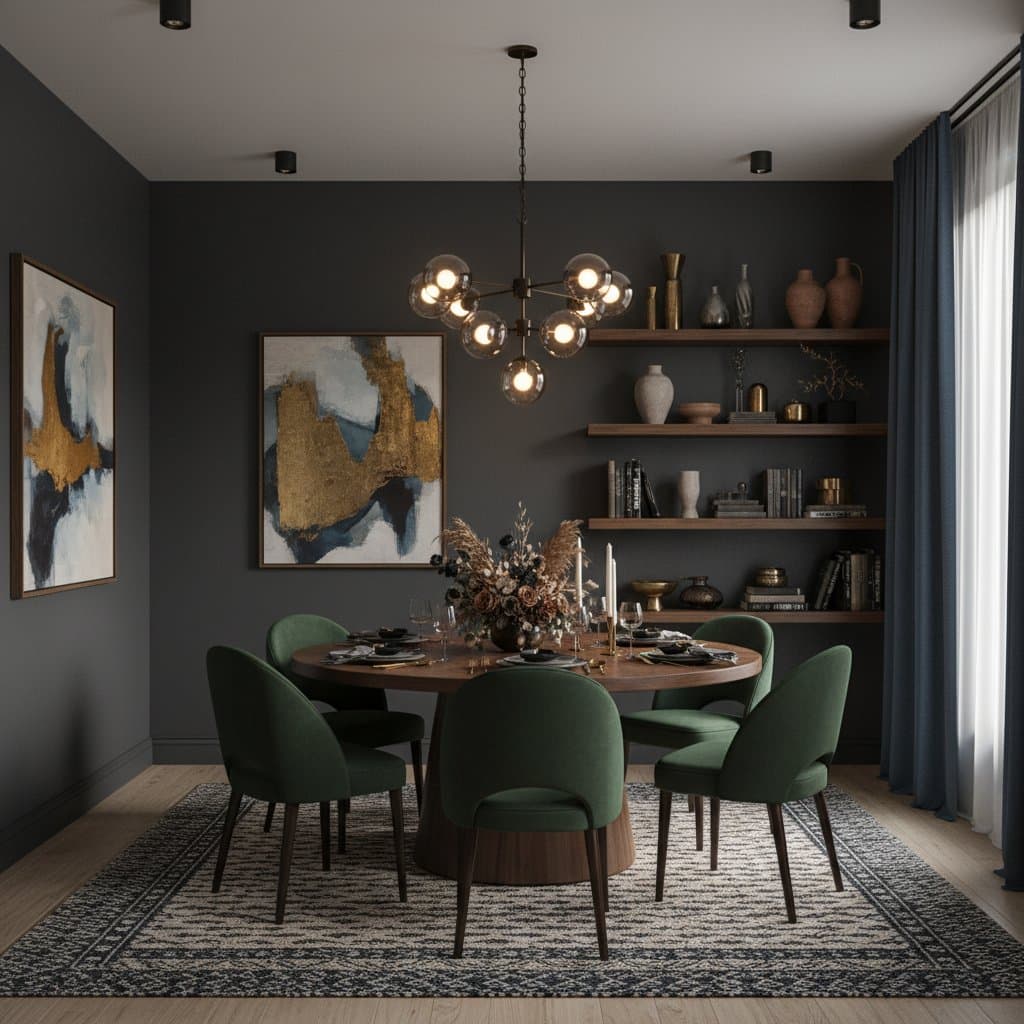
Imagine entering a dining room where deep charcoal walls capture candlelight like velvet, shadows pulse with subtle sophistication, and each meal unfolds as an intimate gathering. The dark wall, once viewed as a bold risk, now serves as the central element in contemporary dining areas. Homeowners and renters embrace moody, dramatic colors that enhance atmosphere rather than diminish space, crafting a sanctuary of comfort and refinement.
This trend reshapes home design principles by emphasizing contrast, perception, and a blend of grounding and glamour. The approach avoids mere dimness or weight; instead, it highlights assurance, innovation, and subtle drama.
Reasons Dark Walls Enhance Dining Experiences
Light walls once dominated designs aimed at openness and airiness. Dark tones, however, possess a subtle strength that promotes closeness. They absorb light to soften outlines, minimize distractions, and direct attention to essential elements: the individuals and interactions in the space.
Selecting the Ideal Dramatic Hue
Moody walls vary in expression. Certain shades convey refined subtlety, while others assert strong character. Select a color that aligns with your home's structure and personal mood.
Current popular options include:
- Charcoal gray: A versatile, elegant neutral suitable for diverse applications.
- Midnight blue: Opulent and majestic, complements brass or brushed gold elements.
- Forest green: Natural and stabilizing, pairs well with wood and woven materials.
- Aubergine or plum: Enigmatic and affectionate, adds artistic intensity.
- Soft black: The supreme neutral, adaptable to any aesthetic.
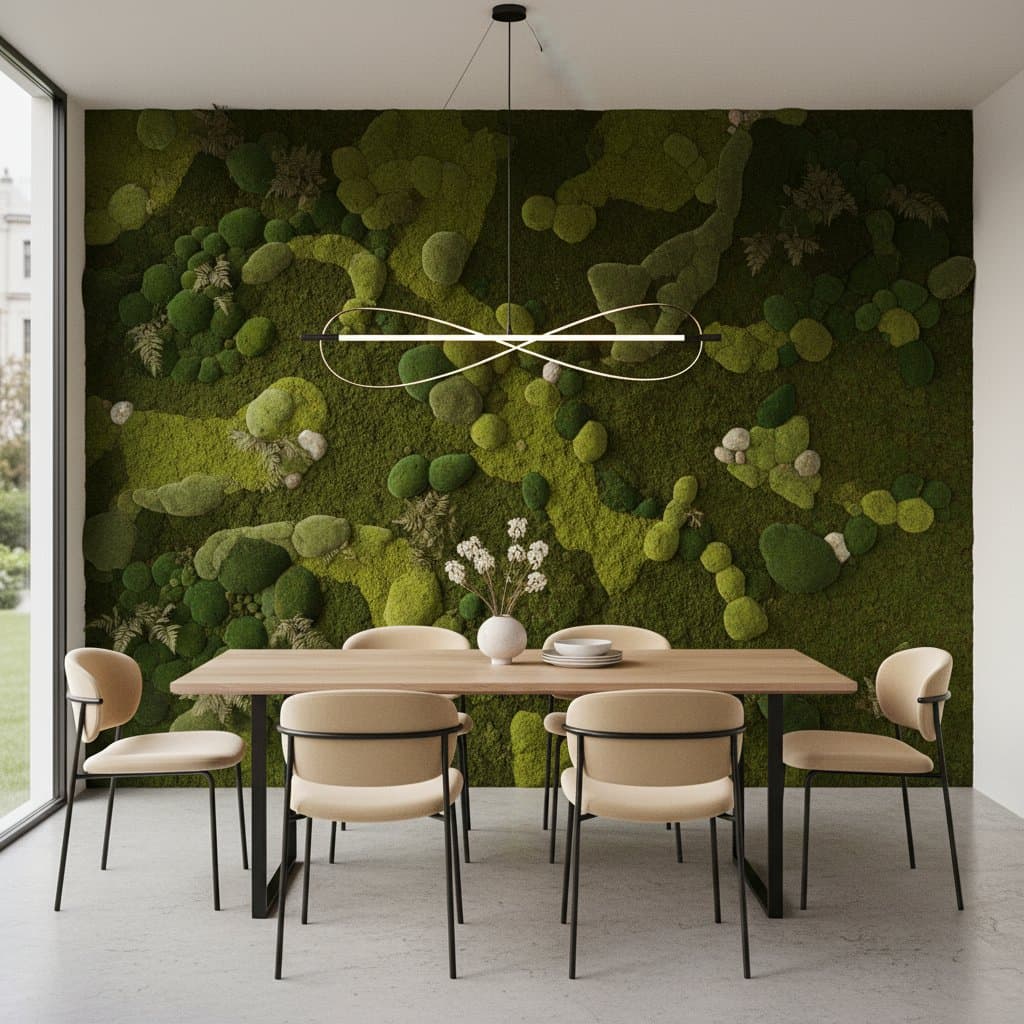
For those renting or testing the concept, apply a dark accent wall behind the dining table. This adds dimension without dominating the area. Consider removable wallpaper featuring dark botanical motifs or textures resembling plaster or linen for experimentation.
Layering Lighting for Depth
Dark walls thrive with strategic illumination. Without proper light, premium paint appears lackluster. Layer sources to produce a vibrant, multifaceted radiance.
Begin with ambient options like a prominent chandelier or pendant. Opt for warm-toned bulbs to accentuate the wall's depth. Incorporate task lighting for utility, such as sconces that provide soft illumination over the table. Add accent elements like candles or low lamps to introduce dynamic flicker and shadow interplay.
Daylight transforms dark walls dramatically. Position them near expansive windows to intensify natural light, simulating a focused beam on the table. In low-light areas, employ mirrors to reflect and enhance available illumination. A mirror in dark wood or antique brass frame amplifies visual impact effortlessly.
Integrating Textures for Balance
Contrast through texture elevates a moody dining room. Matte walls serve as an ideal canvas for elements that encourage tactile and visual exploration.
Combine dark paint with organic materials such as:
- Weathered wood: Introduces warmth and natural appeal.
- Woven seagrass or rattan: Softens the ambiance with gentle patterns.
- Linen or velvet upholstery: Offers plushness against firm walls.
- Metallic accents: Gold, copper, or bronze elements catch light effectively.
A basic wooden table gains artistic presence against dark walls. The juxtaposition emphasizes wood grain and detail. For variety, blend finishes: place a glossy ceramic vase next to a textured stone vessel to maintain equilibrium and vitality.
Preserving Deep Wall Colors Naturally
After establishing your moody design, maintain its vibrancy. Avoid abrasive cleaners that fade paint or cause residue. Prepare a mild mixture of warm water and natural castile soap, then clean with a soft, lint-free cloth followed by a dry one to retain the matte quality.
Address marks or prints with a damp microfiber cloth. For flat finishes, use minimal pressure to safeguard the smooth texture defining moody walls.
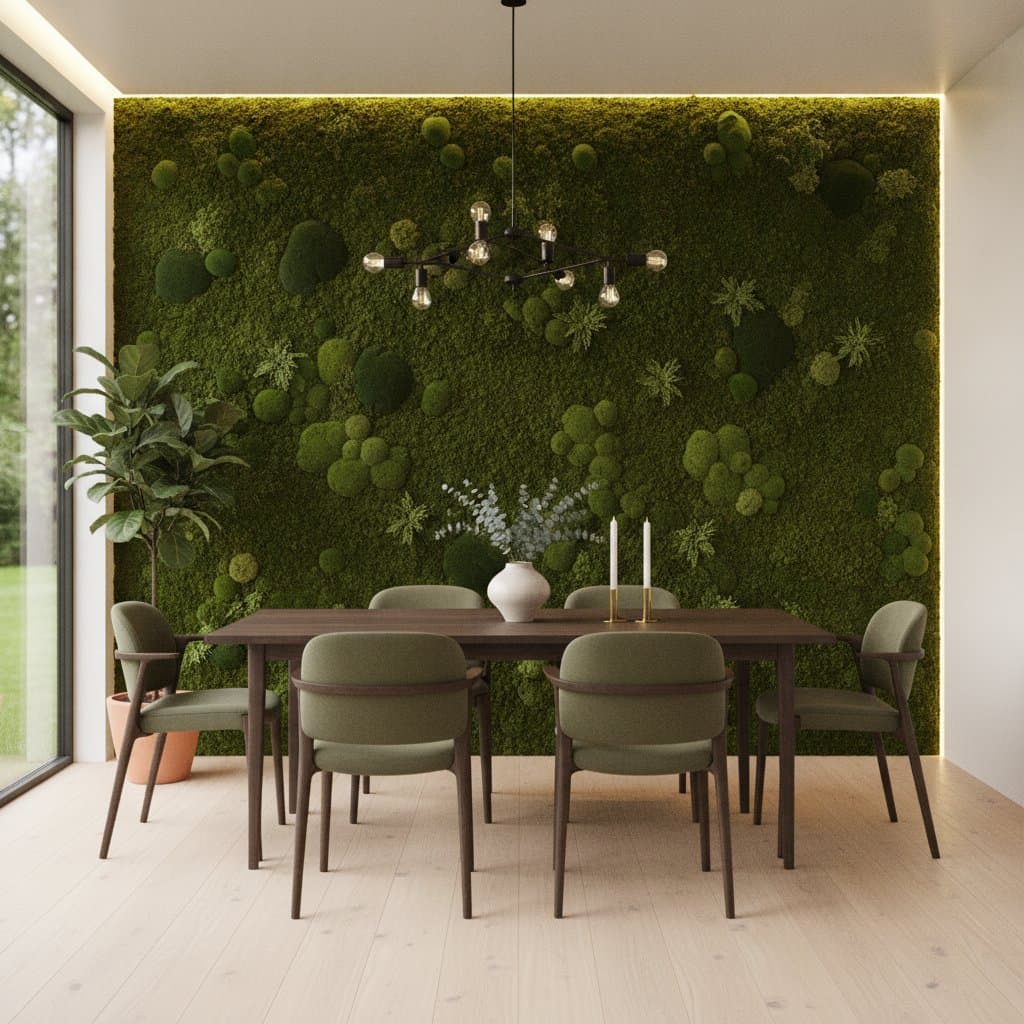
Enhance air quality with potted plants or fresh herbs. Dark walls frame greenery effectively. Ferns, ivy, or a fiddle-leaf fig introduce organic softness, preventing an overly rigid appearance.
Styling the Table to Complement the Ambiance
With walls establishing mood, align table arrangements to reinforce drama. Layer linens, use artisanal ceramics, and incorporate candlelight that dances against the dark background.
Experiment freely in a dark dining room. Combine matte black plates with wooden chargers, or match smoky glassware to white napkins for balance. Metallic utensils or a greenery centerpiece finalize the setup without excess.
For subtlety, include light neutrals like ivory or sand in settings. These provide contrast to avoid heaviness. Achieve harmony where depth from darkness meets vitality from lightness.
Infusing Personality via Art and Details
Against dark walls, art gains prominence. A straightforward framed image resembles a museum exhibit amid deep hues. Select pieces with warm tones or metallic accents for unity. For contemporary flair, choose stark black-and-white images.
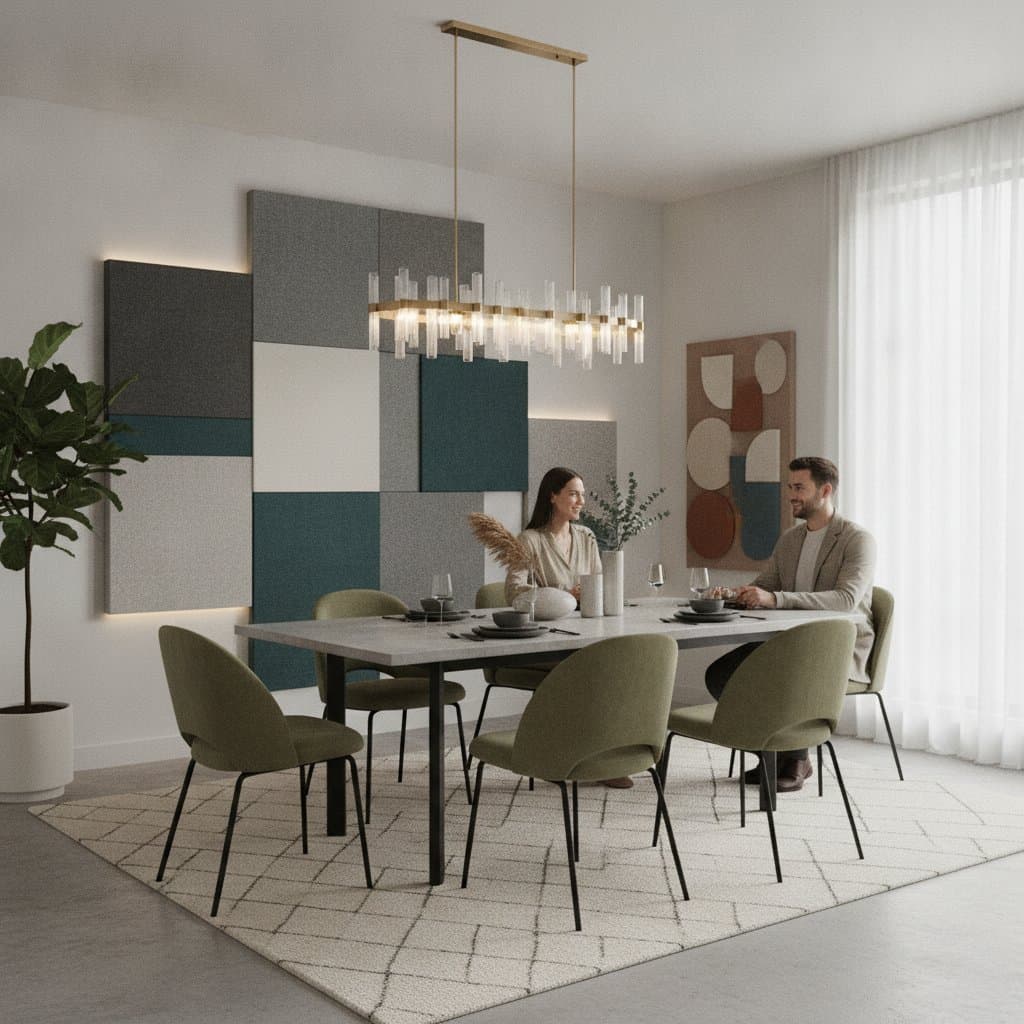
Incorporate sculptural lights or ceramic installations for added dimension. Textured fabric panels, woven hangings, or a vintage rug as wall decor suit moody environments. Prioritize personal relevance: each item should narrate a tale or stir emotion.
Realizing Your Moody Dining Vision
A dark dining room transcends trends; it embodies assurance and ease, affirming beauty in shadows alongside light. These areas nurture unhurried meals, profound dialogues, and tranquility that brighter schemes seldom provide.
View your dining space as a theater for cherished routines. The moody palette shapes the scene, ambiance, and narrative, rendering the commonplace extraordinary.